Santa Monica's Median Just Slipped to $1.77M — and the City Has Never Been More Worth It
Khushboo Siddhiwala
May 20, 2026 · 3 min read
Story
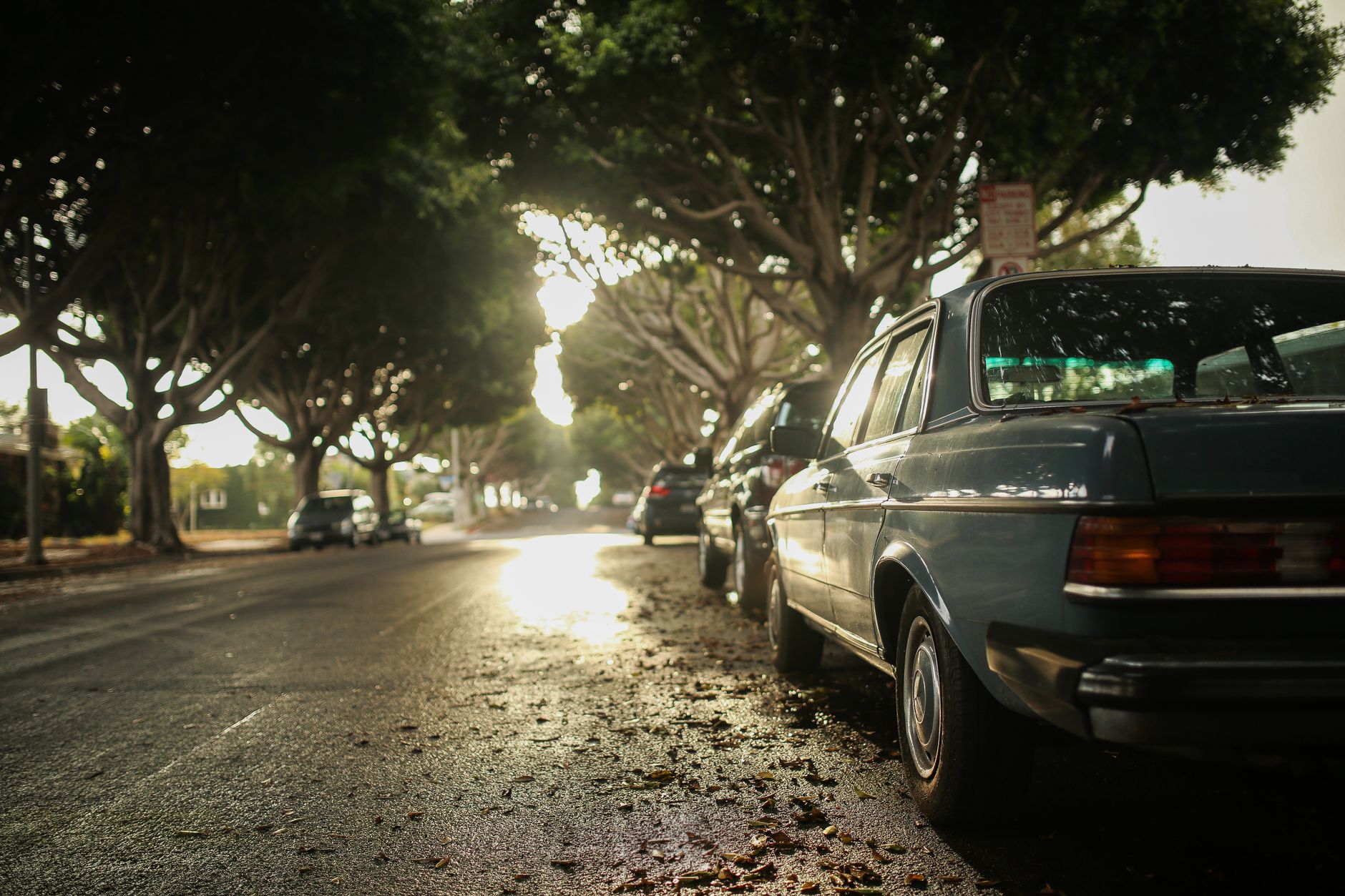
On a Tuesday morning in early May, the stretch of Montana Avenue between 7th and 10th Streets looks, as it always does, like a movie set designed to illustrate the concept of comfortable California life. The coffee is excellent, the strollers are expensive, the golden retrievers are inexplicably well-behaved. And yet something has quietly shifted in the real estate market surrounding this postcard: as of mid-May 2026, the median list price in Santa Monica has slid to $1,777,500 — down from $1,825,000 in January, and off nearly a hundred thousand dollars from where it opened 2025. For a city that treats its own scarcity as a point of civic pride, this is a meaningful, if modest, crack in the facade.
The question worth asking is not whether Santa Monica is faltering. It is not. The question is whether this particular moment — a softening market, 14 percent below average inventory, and a broader Los Angeles county landscape still digesting the aftershocks of January's fires — represents the most interesting buying window this city has offered in years.
The case for yes begins with geography, which is always the first and final argument in coastal California. Santa Monica is, as its devotees will remind you with very little prompting, an independent city entirely surrounded by Los Angeles. It controls its own zoning, its own school district, its own rent stabilization ordinances, and its own peculiar civic temperament — progressive, beach-adjacent, and absolutely committed to making new development as difficult as humanly possible. That institutional conservatism is precisely why inventory sits 14 percent below the ten-year average, and why, even as prices drift downward, they do not drift far or for long.
Who lives here now is a study in compressed extremes. North of Montana — that gilded quadrant of wide sidewalks, mature sycamores, and Spanish Colonials with asking prices that regularly breach four and five million dollars — remains the unambiguous gold standard of the Westside, the neighborhood where entertainment attorneys, tech founders, and the occasional quietly famous actor have planted their most permanent flags. South of Wilshire tells a different story: younger buyers, more condominiums, more negotiating room, and a closer proximity to the energy of Main Street and the beach path, where the morning runs begin before six and the weekend farmers market at Arizona Avenue draws the kind of crowd that makes visiting New Yorkers feel briefly inadequate.
The Ocean Park and Sunset Park neighborhoods, tucked in the city's southeastern corner, deserve particular attention right now. These are the blocks where a bungalow still occasionally appears under two million dollars, where the architecture is more Craftsman than Colonial, and where the demographic is shifting incrementally but unmistakably toward a younger, creative professional cohort that has been priced out of Silver Lake and Echo Park but has not yet fully surrendered to the Valley. These are neighborhoods in the earliest, most promising stages of a very slow and very certain ascent.
The lifestyle argument for Santa Monica requires almost no elaboration, but the specifics bear repeating for anyone conducting honest due diligence. The Santa Monica–Malibu Unified School District consistently outperforms the broader LAUSD. Palisades Charter High School and Lincoln Middle School draw families who have done the math on private school tuition and concluded that the right public option changes the calculus on what they can spend on the house itself. The proximity to the beach — not the idea of the beach, but a beach you will actually use on a weekday afternoon — is a quality-of-life variable that does not depreciate.
What Santa Monica is heading toward is a continued bifurcation between its most rarified inventory, which will remain stubbornly expensive because it has always been stubbornly expensive, and its middle tier, which is currently experiencing the kind of price discovery that creates genuine opportunity. The buyers who will look most prescient in two years are not the ones waiting for a dramatic correction that the city's structural scarcity makes nearly impossible. They are the ones who are, right now, on Montana Avenue, ordering their second coffee and quietly doing the arithmetic.
Ecomstation.ai