Shock in the Valleys: San Francisco's Hidden Home Affordability Surge
Khushboo Siddhiwala
Jul 5, 2026 · 3 min read
Story
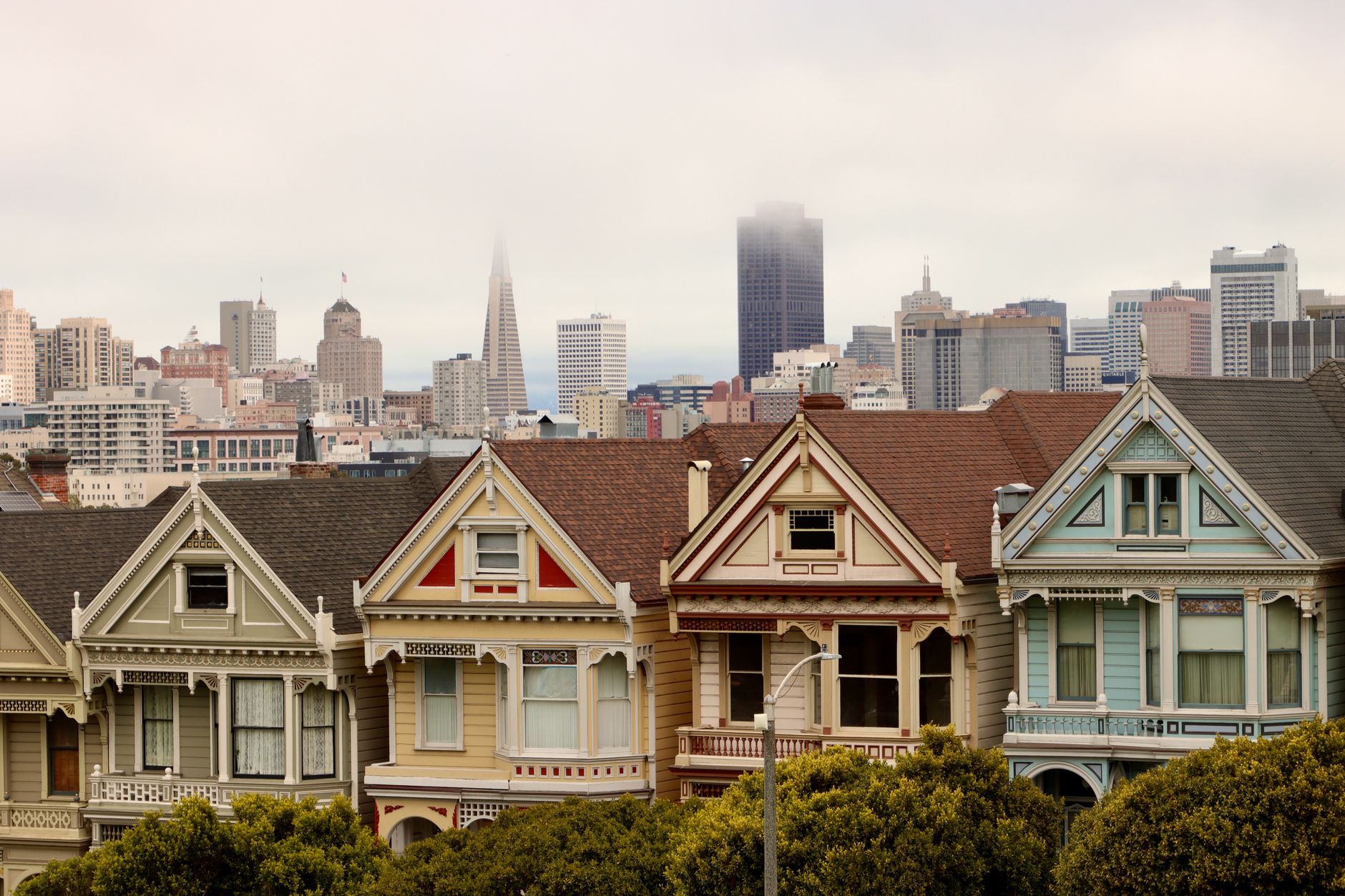
7:32 PM on a balmy July evening in Pacific Heights, San Francisco: 1022 Broadway, a stunning Victorian with immense ceilings and detailed cornices, just sold for a figure shocking not for its magnitude, but for its new, mysteriously attainable normalcy. At $1.28 million, what some would have expected to be exorbitant is far less so — and here's the nuance: it's below the long-term home value to income ratio. Few anticipated this subtle salvo amid California's historically tumultuous real estate tides.
San Francisco, long bemoaned as a fortress of inaccessibility for aspiring homeowners, is showing signs of an earthward descent in its real estate valuation dynamics. A once brittle market now reflects a calibration no one anticipated. For the first time in recent memory, data reveals an alignment unusual but unmistakably hopeful: the home value to income ratio dipping below its long-term baseline. This is a signal — subtle to some, glaring to a few — that an equilibrium is settling in the urban air.
The stories are consistent across the Bay Area. In Hayes Valley, 234 Page Street, a tidy two-bedroom townhouse, saw a frenzy of offers before finally closing at a price just modestly escalated from its original tag. Analysts are scrambling to determine the exact catalyst. Is it the significant exodus of remote tech employees no longer tethered to corporate offices? Or perhaps it's an understated correction as markets react to broader macroeconomic pressures?
Across the old roads of Silicon Valley, leaders who once trumpeted neighborhood exclusivity question the sustainability of historically high valuations. While Cupertino and Sunnyvale seem momentarily unscathed, whispers along Sand Hill Road speak of concern over impacts to mid-level executive homes. Yet, hope whispers louder in districts just tangent to San Francisco's tech-glow.
Is this a Call to Arms or a siren's song for potential buyers? Digging into Redfin's latest revelation, this anomaly points towards an evolving milestone — one that points away from a feared market collapse but rather a reshaping of civic aspirations. The familial allure of solid schooling, proximity to work, and neighborhood charm becomes achievable once again.
It's more than just number-crunching. The qualitative whisper through this data anomaly suggests a more significant societal realignment. If you haven't noticed, a storm is brewing in Southern California too. Los Angeles and Anaheim stand as dots on a yet-to-be-published paper where the pendulum of pricing is beginning to swing less violently.
But why act? Traditional logic might advise waiting it out, gauging stability, but in a market as transient as California's, being proactive circumvents future lament. If you wondered when the right moment might commence to chart your ingress as a resident in this former seller's stronghold, this is it. Harbingers in Palm Springs and even as far north as Santa Barbara mark growing percentages of homes below list price, each a chapter in California's unfolding narrative.
Tomorrow, engage the irony in the data. Challenge the fear of recklessness with action. Contact your real estate agent. Explore areas outside predisposed elite zones where unseen affordability surfaces. Today’s figures render more than mere statistics; they offer an interpretive hint towards a hopeful, more sustainable residential future. Rewrite tomorrow's narrative with certainty.
"Examine San Francisco now and remember, this is a market not receding, but recollecting its balance."
Ecomstation.ai