The $3.2 Million Question: Why Los Feliz Is Quietly Becoming Los Angeles's Most Covetable Address
Khushboo Siddhiwala
May 1, 2026 · 4 min read
Story
On a Tuesday morning in late April, a 1928 Spanish Colonial on Glendower Avenue received four offers before the open house weekend. The asking price was $3.195 million. The sellers had repainted the arched entryway, replaced nothing else, and watched their phone ring. This is Los Feliz in the spring of 2026 — a neighborhood that does not need to try particularly hard, and knows it.
There is a particular kind of Los Angeles real estate that transcends the market cycle — not immune to it, but insulated from its worst anxieties. Los Feliz sits in that category, and has for the better part of two decades. While Silver Lake spent the 2010s becoming self-consciously cool and then paid the price in rents that chased out the very artists who made it appealing, Los Feliz simply continued. The hills stayed wooded. The Griffith Park trails stayed crowded at seven in the morning. The Dresden Room stayed open. The bookshops on Vermont Avenue did not become candle boutiques.
The numbers bear out the composure. The median sale price in Los Feliz is currently tracking between $1.8 million and $2.4 million depending on the pocket and the vintage, with the canyon-adjacent estates — the ones with oak trees older than the city's freeway system — routinely clearing the $3 million threshold and occasionally, dramatically, exceeding it. A recent cost analysis of a $3.2 million Los Feliz sale laid bare what selling here actually requires: roughly $160,000 in commissions, $9,500 in escrow and title, $14,400 in California Documentary Transfer Tax — and critically, the property fell just below the Measure ULA threshold, sparing the seller an additional hit. For buyers, the math is serious. For sellers who bought before 2018, the equity position is often startling.
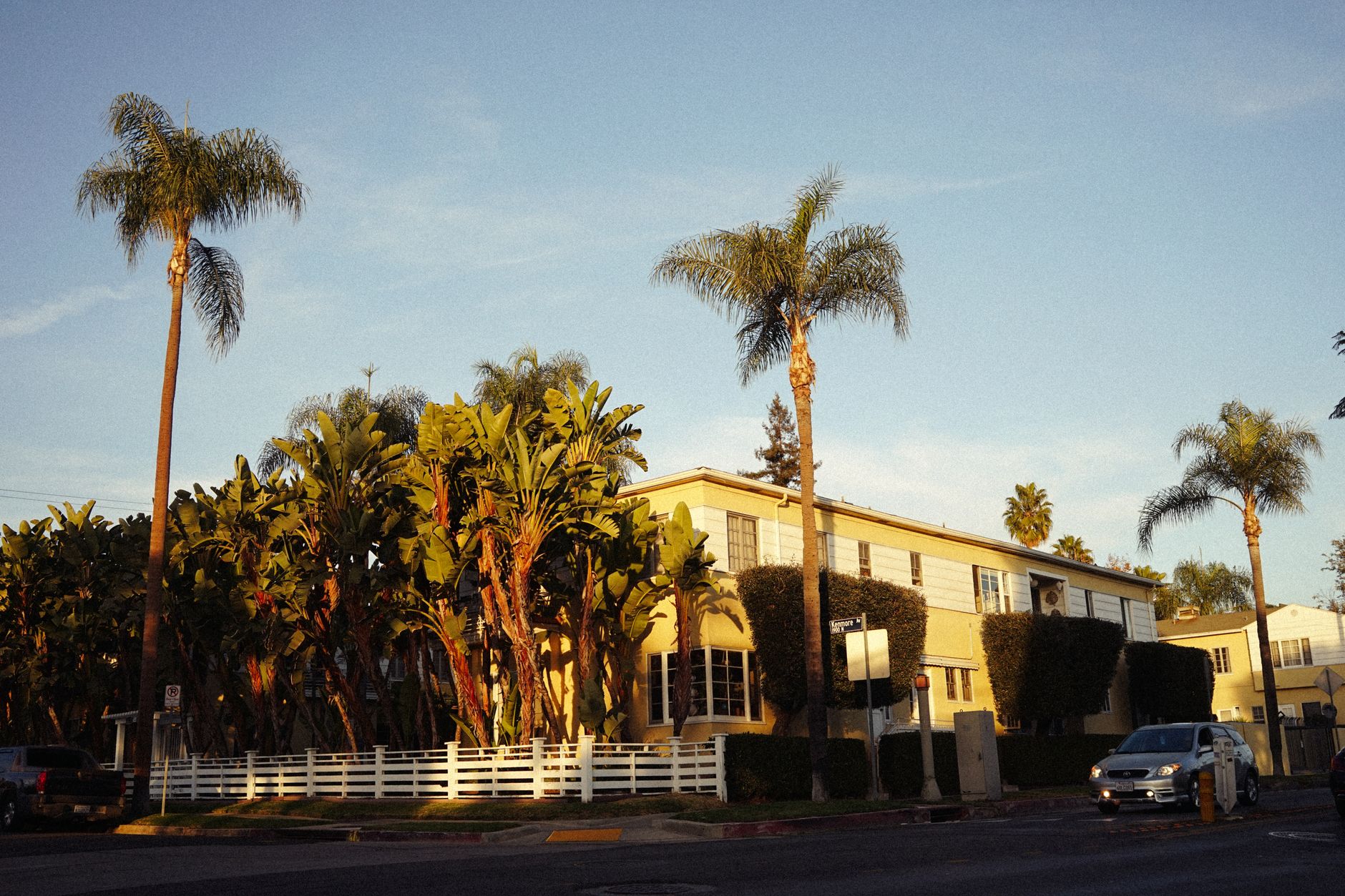
What is driving demand in 2026 is less mysterious than the real estate industry tends to pretend. People want to live somewhere that feels like a real neighborhood — one with a legible history, mature landscaping, and the sense that the person walking their dog at dusk has been doing so for years. Los Feliz delivers this in a city that has been trying to manufacture authenticity in its master-planned communities for decades and mostly failing. The Griffith Observatory sits above it all like a civic monument to the idea that this part of Los Angeles was always meant to be beautiful. The neighborhood does not let you forget it.
The residents reflect the address. Los Feliz has long been the quiet habitat of the entertainment industry's creative class — directors, composers, production designers, the novelist who sold the television adaptation and used the money wisely. Increasingly, it has also attracted tech transplants from the westside who discovered, somewhere around their third year in Culver City, that they were tired of perfect newness. They wanted crown molding. They wanted a yard with character flaws. They wanted a kitchen renovation that didn't announce itself as a kitchen renovation. Los Feliz gave them permission.
The lifestyle argument has also grown more persuasive as the neighborhood's commercial streets have quietly matured. Vermont Avenue and Hillhurst Avenue between them now constitute one of the more satisfying pedestrian corridors in Los Angeles — not a destination in the way Abbot Kinney is a destination, performed and photographed, but a street you walk because you live there and the coffee is good and the tacos are better. Alcove Café still anchors Sunday mornings with a reliable crowd of people who have given up explaining to out-of-towners what makes this corner specifically wonderful.
The trajectory, for all the neighborhood's studied calm, is upward. The spring 2026 inventory remains constrained — owners here do not sell casually, and the turnover rate reflects a population that has largely arrived where it intended to be. That scarcity, combined with the consistent demand from buyers who regard Los Feliz as the sane alternative to the westside's price-to-value absurdities, keeps the market in what analysts are currently calling balanced conditions — which in practice means sellers retain meaningful leverage while buyers occasionally find room to negotiate.
Los Feliz will not be discovered. It was discovered long ago, by people who knew what they were looking for and were quiet about finding it. The genius of the neighborhood, in 2026 as in every year before it, is that it asks nothing of you except the willingness to be somewhere that is genuinely, stubbornly, beautifully itself.
Ecomstation.ai