The Pasadena Bungalow and the Home Inspection California Rules
Khushboo Siddhiwala
Sep 15, 2026 · 7 min read
Story
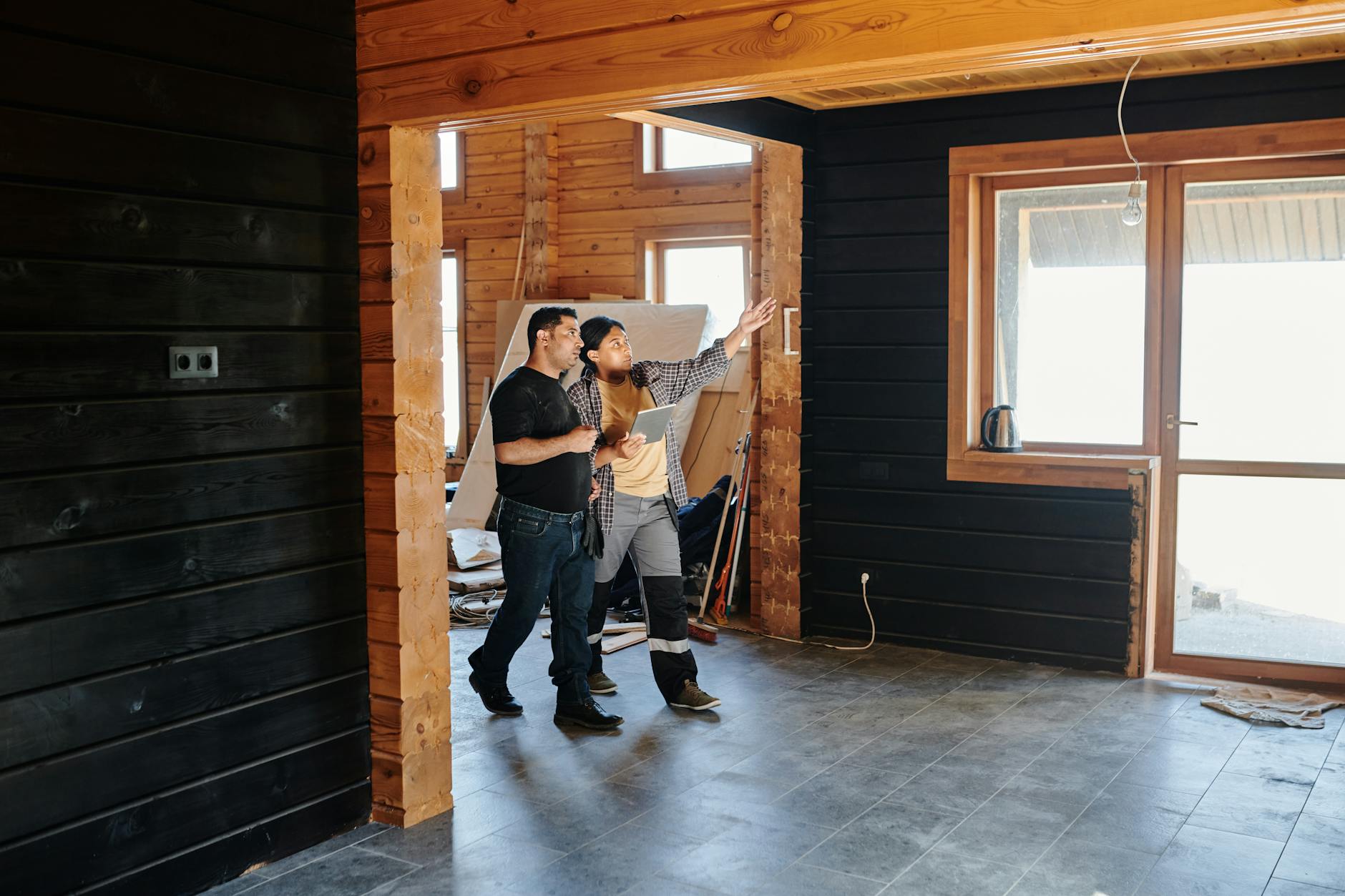
Inside the sunlit living room of a 1912 Craftsman home on Orange Grove Boulevard in Pasadena, listed for $1.45 million, a quiet drama is unfolding. Michael Chen runs his hand along the base of a gorgeous stone fireplace, looking for cracks. Michael is not the buyer, but a licensed inspector, and his job is to find the invisible gremlins hiding behind the freshly painted drywall. This process, known formally as a home inspection California buyers order during escrow, is the single most critical step between falling in love with a property and actually signing the mortgage papers. Without this detailed examination, you are essentially buying a mystery box wrapped in a pretty bow.
At its core, a home inspection is a non-invasive, visual examination of a property's physical structure and mechanical systems. Think of it as a head-to-toe physical exam for a house. The inspector climbs onto the roof, crawls into the attic, squeezes into the crawlspace, and tests the electrical outlets, plumbing, heating, and air conditioning. They do not tear down walls or dig up the yard, but they look for the subtle clues that tell a larger story of neglect or decay, such as water stains on a ceiling that hint at a slow roof leak, or a sticking door that suggests a settling foundation.
The Visual Autopsy of Your Future House
When you buy a home in Sacramento or any other historic California community, the seller is legally required to disclose known problems, but they cannot disclose what they do not know. A professional inspector fills that gap, acting as your independent advocate. They spend three to four hours poking into the dark corners of the property, culminating in a detailed written report packed with color photographs and descriptions of every deficiency found.
The basic home inspection California standard covers the roof, foundation, exterior walls, grading, garage, interior doors, windows, electrical panels, plumbing fixtures, and built-in appliances. In coastal areas like Santa Barbara, inspectors pay close attention to salt-air corrosion on electrical components and moisture damage in the stucco. In drier climates, they look for sun-damaged roofing materials and dry rot.
You should expect to pay between four hundred and seven hundred dollars for this standard service. In the inland valleys, you might find a basic inspection for four hundred and fifty dollars, while a larger historic estate in San Jose or Silicon Valley can easily top nine hundred dollars. It is a small price to pay when you consider that discovering a failing main electrical panel during escrow can save you thousands of dollars in immediate post-closing repairs.
How the Golden State Shapes Your Report
California real estate operates under unique environmental pressures, which makes a standard inspection only the first chapter of a much larger story. Here, the earth moves, the hills burn, and ancient trees send massive roots straight through sewer lines. To protect yourself in Los Angeles or Orange County, you must understand that a general inspector will not cover everything. They will flag potential issues, but they will frequently recommend specialized follow-up inspections.
The most common add-on is the wood-destroying organism inspection, colloquially known as the termite inspection. In Southern California, termites are not a matter of if, but when. A specialized pest inspector will look for subterranean termites, drywood termites, and wood-boring beetles, issuing a report divided into Section One issues, which represent active infestations or dry rot that must be repaired immediately, and Section Two issues, which are conditions likely to lead to future infestation.
Another critical add-on is the sewer scope. Many older neighborhoods in Oakland or the East Bay have sewer lateral pipes made of clay or cast iron that are over half a century old. A general inspector will run the faucets to see if the drains work, but only a specialist with a fiber-optic camera can tell you if a Redwood tree root has crushed your main line under the driveway. Replacing a sewer line can cost up to twenty thousand dollars, making a three-hundred-dollar sewer scope an absolute necessity.
Escrow is not just a waiting period; it is your final window to uncover the truth before the house and all its hidden financial liabilities become yours forever.
The Danger of Waiving Your Safety Net
In highly competitive housing markets like San Francisco, buyers often feel immense pressure to waive their inspection contingencies to make their offers stand out. This is a dangerous gamble that seasoned real estate professionals strongly advise against. When you waive your inspection contingency, you are agreeing to buy the home completely as-is, forfeiting your right to renegotiate the price or walk away with your earnest money deposit if a major structural defect is uncovered later.
If you find yourself in a multiple-offer situation on a mid-century home in San Diego, there are safer ways to compete. Instead of waiving the inspection entirely, you can offer a shortened inspection window, promising to complete all physical inspections within five days instead of the standard seventeen days. This shows the seller you are serious and moving fast, without requiring you to fly blind into a massive financial commitment.
Another common mistake is failing to attend the inspection in person. While the written report is a valuable reference tool, nothing compares to walking alongside your inspector as they point out the difference between a minor cosmetic hairline crack in the plaster and a major structural fissure in the concrete foundation. Being there allows you to ask questions in real-time, helping you put the inspector's findings into proper context so you do not panic over minor issues.
Navigating the Red Flags Without Panicking
When you finally receive your inspection report, it can be terrifying. It is not unusual for a standard report to list fifty to one hundred individual deficiencies, even on a relatively new home in Palm Springs. The secret is knowing how to filter the noise. Do not treat the inspection report as a laundry list of demands for the seller to fix. No home is perfect, and sellers will quickly dig in their heels if you ask them to repair every loose cabinet hinge and chipped paint tile.
Instead, focus your attention on the big three: structural integrity, water intrusion, and immediate safety hazards. If the inspector finds a cracked foundation girder, active mold in the crawlspace, or outdated and hazardous electrical panels, these are legitimate negotiating points. You can ask the seller to hire licensed contractors to repair these specific issues before closing, or request a financial credit so you can hire your own contractors after you move in.
Ultimately, a home inspection California buyers commission is not designed to help you back out of a contract over minor cosmetic flaws. It is designed to give you clarity and peace of mind. By understanding what lies beneath the surface of a beautiful home, you transform a highly emotional, potentially risky transaction into a calculated, confident investment in your future.
Frequently Asked Questions
Is a home inspection California law mandatory for home buyers?
No, a home inspection is not legally required by the state of California, nor is it mandated by mortgage lenders who typically only require a home appraisal to verify the property's market value. However, skipping a home inspection is widely considered one of the riskiest financial moves a buyer can make, as it strips away your primary tool for discovering expensive structural, plumbing, and electrical defects before finalizing the purchase.
How much does a standard home inspection California process cost?
A standard home inspection in California typically costs between four hundred and seven hundred dollars for a mid-sized single-family home. Prices vary depending on the square footage, the age of the home, and the specific region, with coastal metropolitan areas like San Francisco and Los Angeles trending toward the higher end, while inland communities like Sacramento and Fresno often fall on the lower end of the spectrum.
Who pays for the home inspection during escrow?
The buyer is responsible for choosing, scheduling, and paying for the home inspection because the inspector works directly as your independent advocate to protect your financial interests. This payment is made directly to the inspection company at the time of service during the escrow period and is not rolled into your overall closing costs or mortgage loan.
Ecomstation.ai