The San Diego Smooth Jazz Festival Just Turned Embarcadero Marina Into a $1,200-a-Night Cash Machine
Khushboo Siddhiwala
Jun 26, 2026 · 4 min read
Story
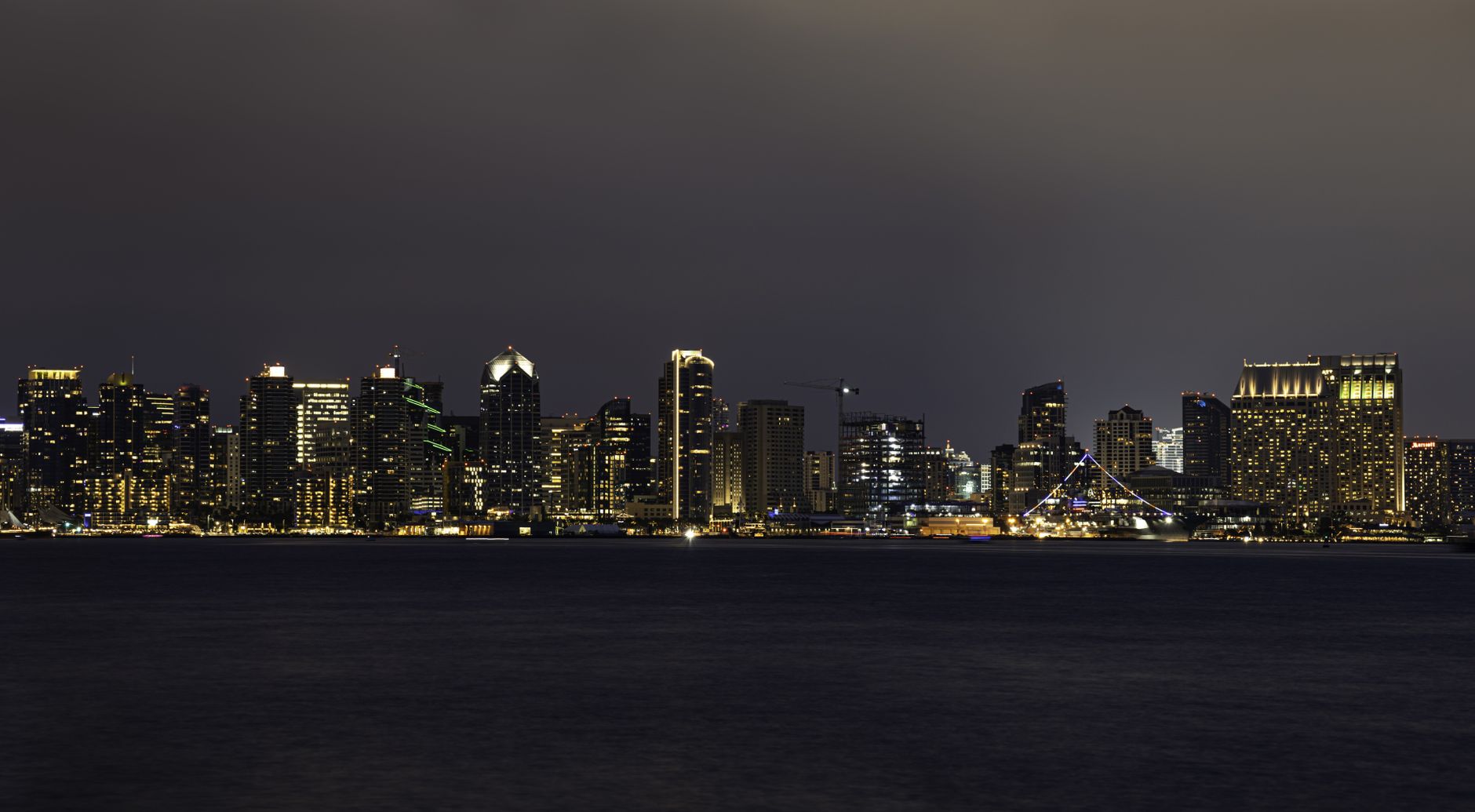
A two-bedroom unit at 1199 Pacific Highway listed for $389 per night in May. This weekend, the same listing commands $1,247 — a 220 percent premium that has nothing to do with Fourth of July proximity and everything to do with the smooth jazz faithful descending on San Diego's Embarcadero Marina Park.
The San Diego Smooth Jazz Festival, returning for its two-day waterfront takeover on June 27-28, has quietly become one of Southern California's most lucrative micro-events for short-term rental operators. Unlike Comic-Con's chaotic July crush or the unpredictable celebrity draw of the Del Mar racing season, jazz festival attendees follow a remarkably consistent demographic profile: affluent, over-fifty, travelling in couples, and willing to pay handsomely for walkable harbour proximity. They book early, stay longer, and leave five-star reviews. They are, in short, the platonic ideal of an Airbnb guest.
The numbers tell a compelling story. According to AirDNA tracking data for the 92101 ZIP code — which encompasses the Gaslamp Quarter, East Village, and the Embarcadero corridor — average daily rates for waterfront-adjacent properties have climbed 187 percent compared to the same weekend in 2025. Occupancy in the Marina District hit 94 percent by Tuesday, with remaining inventory clustered above the $900 threshold. Hosts who secured Superhost status and harbour-view photography are cleaning up. Everyone else is watching from the sidelines.
What makes this particular event instructive for California real estate watchers is the specificity of its geographic impact. The premium zone extends roughly twelve blocks in any direction from the festival's Embarcadero Marina Park South footprint — a radius that encompasses perhaps 340 active short-term rental listings. Beyond that boundary, pricing softens dramatically. A comparable unit in North Park, four miles inland, lists for $156 this weekend. The festival creates a hyper-local wealth transfer that rewards positioning over square footage.
Savvy investors have noticed. Three condo transactions in the 700 block of West Harbor Drive closed in Q1 2026 with buyer profiles suggesting investment intent: LLCs registered in Nevada, all-cash purchases, and immediate permit applications for short-term rental operation. The units traded between $785,000 and $920,000 — premium pricing for 850-square-foot one-bedrooms, but defensible when annual rental projections account for festival weekends, cruise ship arrivals, and Padres home stands. The Embarcadero corridor has become San Diego's most event-sensitive real estate micro-market, and the smart money is buying proximity to the waterfront stage.
This dynamic extends beyond San Diego's jazz weekend. Across California, the 2026 event calendar is reshaping neighbourhood valuations in ways that traditional real estate analysis struggles to capture. Sacramento's emerging music festival circuit has pushed Airbnb rates in the Ice Blocks district above Bay Area comparables during peak weekends. Palm Springs' seasonal event programming now extends into June, stretching the traditional rental season by six weeks and fundamentally altering cash flow projections for desert investors. The state's $110 billion tourism economy increasingly flows through residential real estate, and the properties positioned to intercept that flow are commanding irrational premiums.
The San Diego Smooth Jazz Festival also illustrates a subtler trend: the premiumisation of the California weekend. These are not budget-conscious tourists seeking the cheapest available accommodation. Festival organisers report that VIP packages — priced above $400 for two-day access — consistently sell out before general admission. The attendee base skews toward discretionary spenders who view accommodation as part of the experience rather than a line item to minimise. For hosts, this means that investment in professional photography, quality linens, and curated local recommendations generates outsized returns. The $1,200-a-night listings are not simply charging more; they are offering a different product to a buyer who distinguishes between price and value.
Real estate investors still evaluating San Diego's waterfront corridor should note that the Embarcadero Towers development at 100 Harbor Drive will deliver 47 new residential units in late 2027, potentially diluting the current supply constraint that enables festival-weekend premiums. The window for acquiring positioning advantage may be narrower than current returns suggest.
But perhaps the real insight is this: California's most profitable real estate opportunities increasingly exist at the intersection of geography and calendar — not in the properties themselves, but in their temporal proximity to moments when thousands of affluent visitors need somewhere specific to sleep. The jazz festival is simply this weekend's proof of concept. The question for investors is which calendar date they plan to own next.
Ecomstation.ai