The South Bay Just Cooled Off and San Francisco's AI Money Is Already Circling
Khushboo Siddhiwala
Jun 28, 2026 · 4 min read
Story
A three-bedroom in Cupertino's 95014 ZIP code sat on the market for 47 days last month before the seller dropped the price by $180,000. Two years ago, that same house would have sparked a fourteen-offer war and closed $400,000 over asking within a week. Welcome to the great Bay Area shuffle of 2026, where the housing market hasn't slowed down so much as it has relocated—block by block, paycheck by paycheck, from the peninsula's traditional tech strongholds into San Francisco proper.
The numbers tell a story that would have seemed impossible in 2023. Pending home sales across California posted their biggest decline in three months this past week, down 2.4% year over year as mortgage rates hovering near 7% and global uncertainty from the Iran conflict kept buyers cautious through Easter weekend. But that statewide chill masks a far stranger phenomenon unfolding in the Bay Area: the South Bay, long California's most ruthlessly competitive housing market, has gone from what one San Francisco Chronicle reporter called '100 mph back to 25,' while San Francisco itself is experiencing something closer to the reverse.
The culprit, or perhaps the savior depending on your ZIP code, is artificial intelligence money. Not the speculative kind that inflated everything from crypto to SPACs, but the concentrated, specific wealth flowing from companies like OpenAI, Anthropic, and a constellation of smaller startups that have made San Francisco their home. These firms didn't scatter to Austin or Miami. They doubled down on the city, and their employees—many of them young, many of them holding equity that could be worth millions within eighteen months—are now walking into open houses in Noe Valley and the Castro with pre-approval letters that make sellers weep with joy.
I spoke with three agents working the 94114 corridor last week, and each described the same scene: open houses on Sunday afternoons where half the visitors are engineers in their late twenties, asking detailed questions about ADU potential and whispering to partners about whether the timeline works before their next liquidity event. One agent told me she's started keeping a mental list of which AI companies are closest to going public, because she can predict which weekends will be busiest based on when restricted stock units are about to vest.
This is the hidden engine beneath California's confusing market data. Statewide, everything looks sluggish. High rates have pushed median days-on-market past 30 in most metros. San Diego's coastal inventory is piling up as vacation-home buyers retreat. Sacramento, which boomed during the remote-work exodus, has seen price growth flatten to near zero. Even Palm Springs, that reliable refuge for Los Angeles money seeking desert glamour, is watching homes linger through the summer heat.
But San Francisco refuses to follow the script. The city that was supposedly dying—remember the doom loops, the empty office towers, the exodus narratives—is now absorbing the Bay Area's most aggressive buyers while its suburban neighbors cool. It's a complete inversion of the pandemic-era logic that sent families fleeing to Walnut Creek and Pleasanton in search of space and sanity.
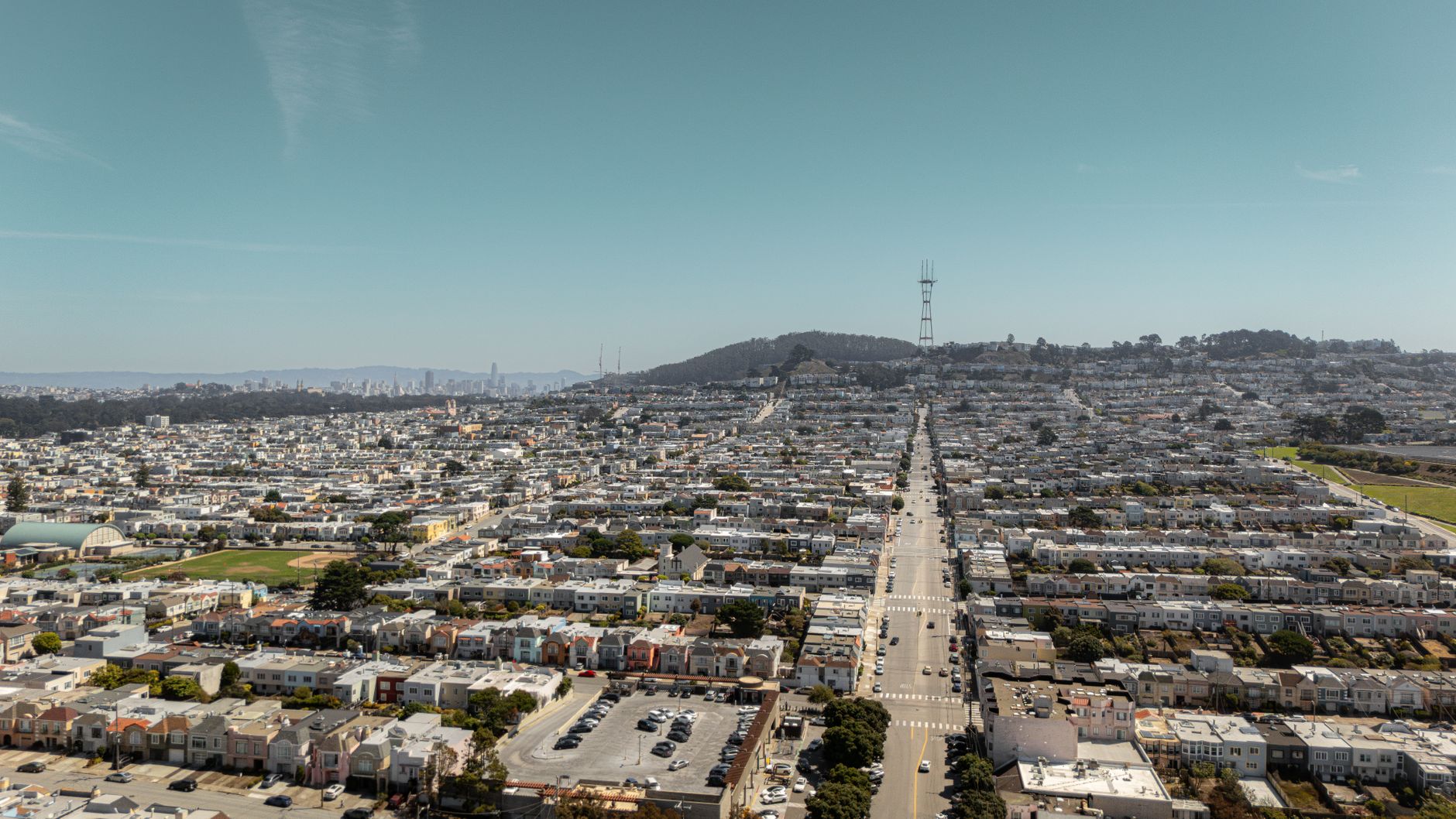
The implications ripple outward in ways that should concern anyone trying to time the market. If you're selling in Sunnyvale or Mountain View, the feeding frenzy you were counting on may not materialize. Inventory is building, and buyers who once had no choice but to compete are discovering they can negotiate. Meanwhile, if you're trying to buy in San Francisco's western neighborhoods—the Sunset, the Richmond, the Excelsior—you're competing against a buyer pool that has access to capital most Americans cannot fathom.
What makes this moment particularly strange is that it contradicts every reasonable prediction from eighteen months ago. The smart money said San Francisco commercial real estate would drag the residential market down with it. The smart money said AI companies would go remote-first like everyone else. The smart money said California's tax burden would finally push tech wealth to friendlier jurisdictions.
Instead, we're watching a city reassert itself through the oldest mechanism in real estate: people with money wanting to live somewhere specific, and being willing to pay whatever it takes to do so. The South Bay isn't collapsing. It's simply no longer the only game in town. And that shift—from suburban tech campus culture to urban density—may tell us more about where California is headed than any interest rate forecast ever could.
The real insight isn't that AI money is reshaping San Francisco. It's that housing markets don't move in unison anymore. They move in tribes, following paychecks and stock tickers and the peculiar preferences of whoever happens to be getting rich this particular year. California isn't one market. It's a dozen markets wearing a trench coat, and right now, the one in the front is wearing an OpenAI hoodie.
Ecomstation.ai