West Hollywood Is Shrinking Its Menus and Raising Its Prices — and People Keep Coming Anyway
Khushboo Siddhiwala
May 8, 2026 · 4 min read
Story
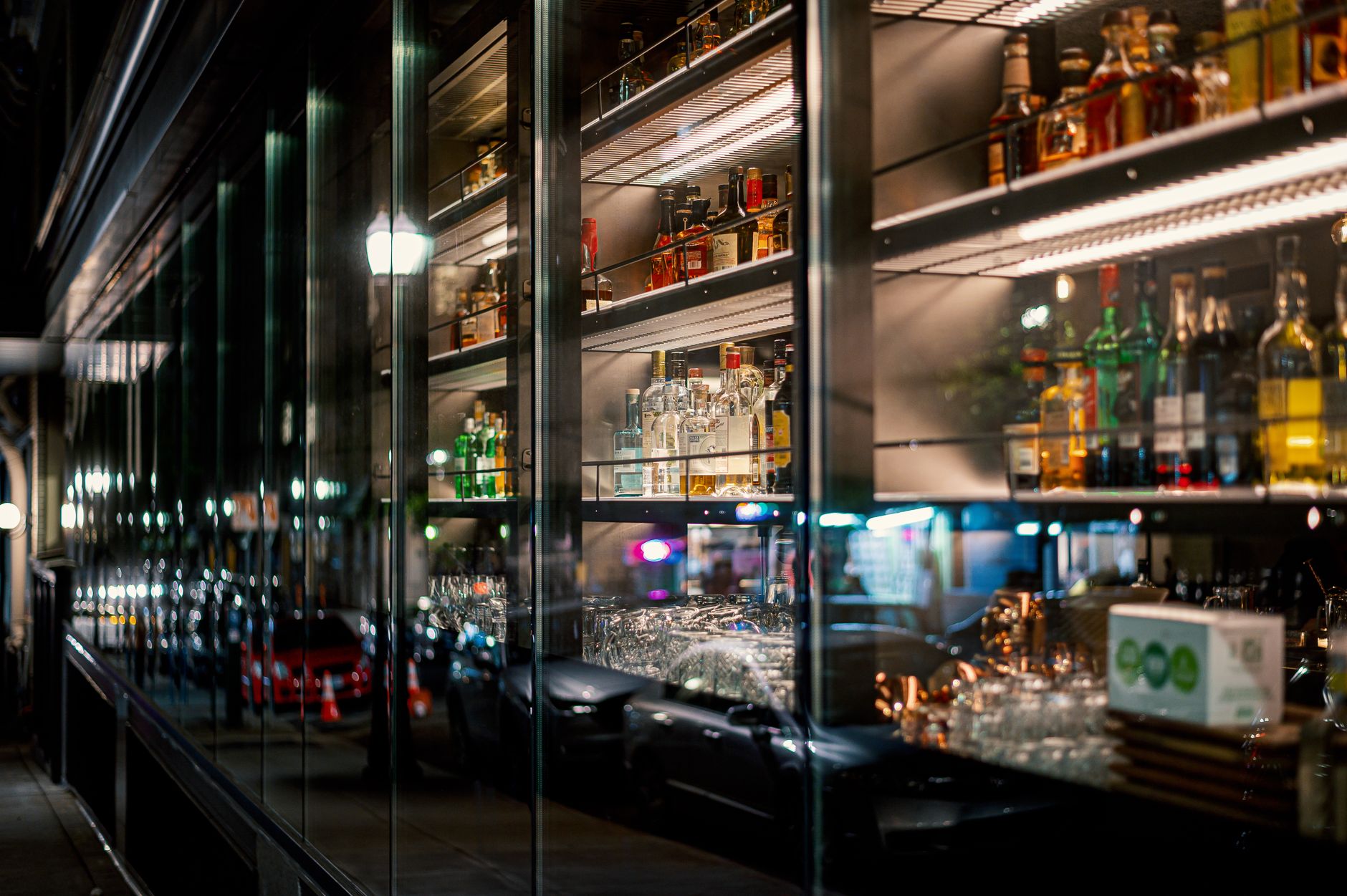
On a Tuesday evening in late April, the line outside a natural wine bar on Melrose Avenue stretched past the valet stand and into the amber glow of a streetlamp. Inside, a former showrunner was splitting a $28 glass of Jura with her real estate attorney. At the table beside them, two men in their early thirties were debating whether to renew their lease at $4,400 a month or finally make an offer on a one-bedroom condo asking $875,000 two blocks north. This is West Hollywood in 2026 — expensive, argumentative, and entirely sure of itself.
The numbers are almost impolite. Housing costs in West Hollywood run 167 percent above the national average, according to current PayScale data. The median price per square foot has climbed steadily through the first quarter of this year, and of the 318 active listings tracked as of early May, 53 have already seen price reductions — which sounds like softening until you realize that in this zip code, a price reduction often means $1.1 million instead of $1.25 million. This is not a buyer's market. It is simply a less punishing seller's market than it was eighteen months ago.
What justifies the premium, and what continues to attract the kind of buyer who can absorb it, is something that resists easy quantification. West Hollywood is one of the few places in Los Angeles that functions like a genuine city neighborhood rather than a collection of car-dependent nodes connected by anxiety. You can walk to dinner, argue about politics at a coffee counter, and catch a gallery opening on Santa Monica Boulevard without once consulting a parking app. In a metropolitan area defined by its distances, that is not a small thing.
The community skews creative, educated, and unapologetically opinionated. Entertainment industry professionals — writers, agents, directors in that particular mid-career moment when they can afford taste — share the streets with tech founders who decamped from Silver Lake once they needed a second bedroom, and with longtime residents who bought in the nineties and have watched their equity become something their accountants now manage. The renter population is young, transient in the best sense, and deeply invested in the social life of the neighborhood even when they cannot afford its real estate.
Yet West Hollywood is navigating the same headwinds battering greater Los Angeles right now. The city's restaurant scene, as a recent and deeply reported survey of the L.A. dining landscape makes plain, is contracting in ways that feel structural rather than cyclical. Inflation, elevated minimum wage requirements, and shifting dining habits have combined to shutter institutions and slim the menus of survivors. WeHo, with its concentration of destination restaurants and its reputation as a place where people actually go out on weeknights, is absorbing these closures more visibly than quieter neighborhoods. A celebrated corner spot on Robertson that anchored the block for a decade closed in March. A replacement tenant has not yet appeared.
This is worth watching, because West Hollywood's lifestyle premium is inseparable from the density of its cultural infrastructure. The walkability means nothing if the destinations thin out. The neighborhood's long-term value proposition depends on maintaining the critical mass of restaurants, bars, boutiques, and galleries that justify living somewhere 61 percent more expensive than the American average.
For now, that infrastructure holds. The Sunset Strip continues its slow, interesting reinvention — less about rock mythology, more about hospitality, wellness, and the peculiar glamour of a good hotel lobby. The Design District along Melrose and Beverly anchors a particular buyer: someone furnishing a serious home and expecting their neighborhood to reflect that seriousness back at them. The stretch of Santa Monica Boulevard through the heart of the city remains one of the most socially alive corridors in Los Angeles, where the sidewalk feels earned rather than incidental.
Where is West Hollywood heading? The honest answer is: upward in price, inward in focus, and increasingly in conversation with itself about what it wants to be when the hospitality economy stabilizes. The 27 new homes currently on the market suggest developers still believe in the neighborhood's appetite. The 53 price reductions suggest the market is finally, fractionally, negotiating.
Buying here in 2026 is not a contrarian bet. It is a conviction bet — on density, on walkability, on the stubborn belief that in Los Angeles, a neighborhood where you can actually live your life on foot is worth almost any premium the market assigns.
Ecomstation.ai