What Is It Like Living in Los Feliz, California
Khushboo Siddhiwala
Aug 20, 2026 · 7 min read
Story
At 2607 Glendower Avenue, the massive, Mayan Revival textile-block facade of the Ennis House looms over the hillside, a monument to the architectural ambition that has defined this pocket of Los Angeles for over a century. To understand what is it like living in Los Feliz, California, one must start here, where historic preservation is not a passive hobby but a community-wide obsession. Standing on these steep, winding roads, looking out over the sprawling basin of Southern California, the neighborhood below feels less like a subdivision of a massive metropolis and more like an independent, cultured village. The transition from the high-density energy of neighboring Hollywood to these quiet, canopy-shaded streets is immediate, marked by a shift from commercial neon to towering eucalyptus trees and Spanish Colonial Revival homes.
For those exploring the area, the central question is often: what is it like living in Los Feliz, California? The answer lies in the unique balance of seclusion and accessibility. While many Los Angeles neighborhoods force a choice between walkable urbanism and quiet suburban sanctuary, this enclave offers both. Residents can walk out of their historic homes, stroll down tree-lined sidewalks, and find themselves at a bustling sidewalk cafe within ten minutes. This seamless integration of nature, heritage, and urban culture creates a distinct rhythm of life that attracts creatives, young professionals, and established families who want to experience the city without being consumed by its relentless pace.
The Architectural Legacy of the Hillside Slopes
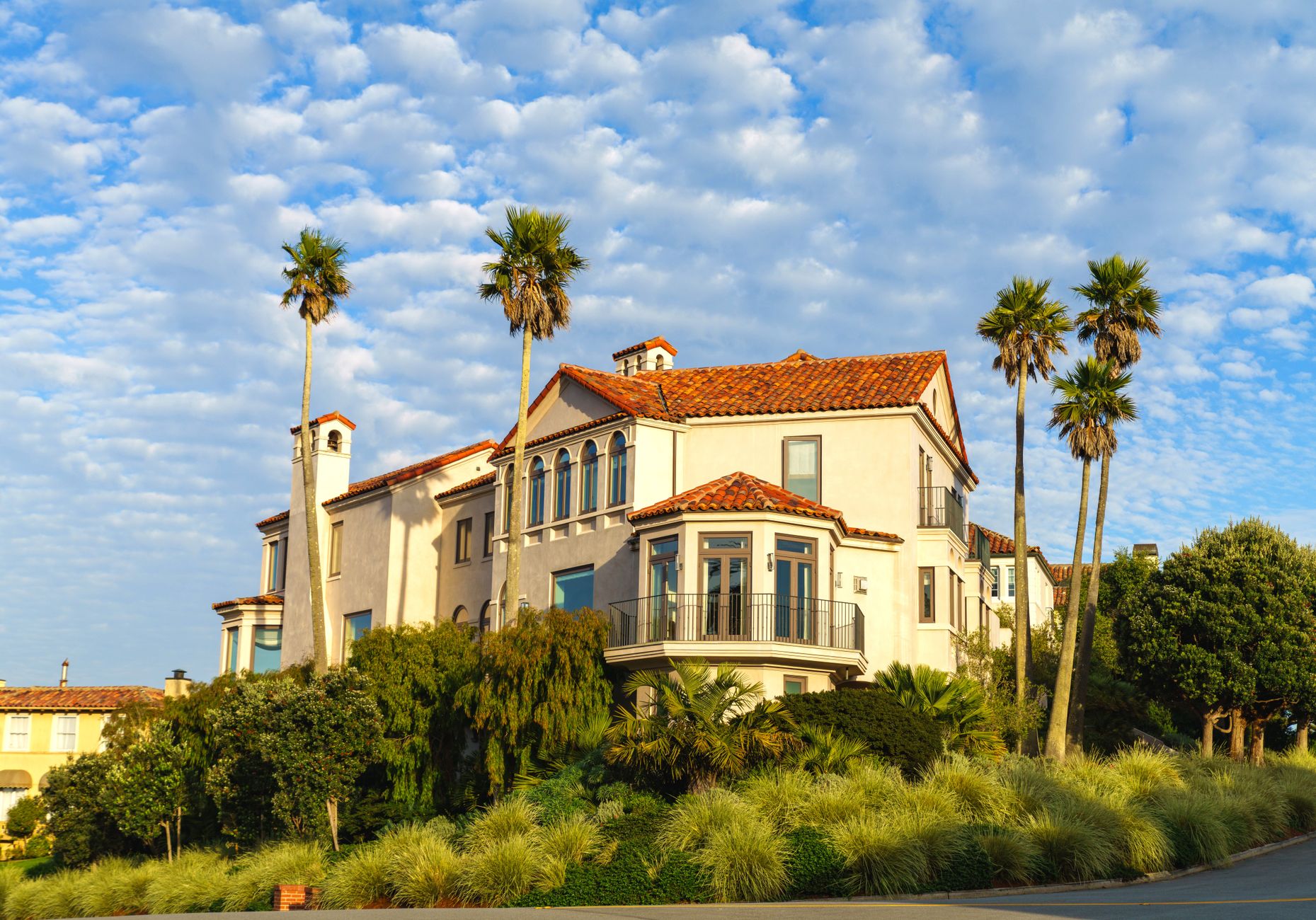
The physical layout of Los Feliz, Los Angeles, is split into two distinct topographies, each dictating a different lifestyle. Above Los Feliz Boulevard, the streets wind steeply upward into the Santa Monica Mountains, where the real estate commands premium prices. Here, legendary architects like Frank Lloyd Wright and Richard Neutra left their indelible marks, creating a hillside gallery of modernist masterpieces. Living in these hills means navigating narrow curves where garages are carved directly into the stone and backyards give way to wild chaparral. It is a quiet, private world where the rustle of dry leaves and the occasional coyote sighting are the only disruptions to the silence.
For residents who call these hills home, the experience of what is it like living in Los Feliz, California, is defined by dramatic views and a sense of retreat. The houses are carefully positioned to capture the shifting golden hour light, offering panoramic vistas that stretch from the downtown skyline to the Pacific Ocean on clear days. Despite the isolation of the upper hills, the descent to the flatlands is surprisingly swift, allowing residents to easily transition from their secluded architectural sanctuaries to the vibrant commercial corridors below. This proximity to culture and convenience ensures that even the most private hillside estates remain tethered to the community's beating heart.
A Daily Rhythm Anchored by Griffith Park
The northern boundary of the neighborhood is defined by Griffith Park, a massive wilderness reserve that serves as the backyard for everyone living in Los Feliz. Stretching over four thousand acres, the park is not merely a scenic backdrop; it is an active participant in daily life. Early mornings see a steady stream of locals marching up the trails toward the Griffith Observatory or the Hollywood Sign, their dogs in tow and coffee cups in hand. The park offers an immediate escape from the asphalt and concrete of greater Los Angeles, providing miles of hiking paths, equestrian trails, and quiet grassy dells where the city's noise fades to a distant hum.
Living in Los Feliz means embracing a lifestyle where a world-class wilderness park is your backyard and historic architecture is your daily scenery.
This proximity to nature shapes the local culture, fostering a community that is deeply invested in wellness and outdoor recreation. It is common for a resident’s weekend to begin with a strenuous trail run and end with an outdoor concert at the Greek Theatre, an iconic amphitheater nestled in the canyon. The presence of the park also acts as a natural buffer, keeping the air slightly cooler and the streets quieter than in the more paved sectors of the city. For those wondering what is it like living in Los Feliz, California, the answer is found in these green spaces, where the boundaries between urban living and natural beauty are blurred.
Navigating the Local Schools and Community Roots
Behind the artistic veneer and glamorous architecture lies a deeply rooted family community that prioritizes education and neighborhood preservation. The local public schools, managed by the Los Angeles Unified School District, are a major driver of real estate demand in the area. Franklin Avenue Elementary School, situated in the lower flats, is highly regarded for its academic performance and active parent community, making homes within its attendance boundaries highly coveted. For families seeking private options, the historic Immaculate Heart High School and Middle School has anchored the western edge of the neighborhood for over a century, offering a rigorous, independent education for young women.
This educational infrastructure reinforces the neighborhood’s small-town feel, as parents run into each other at local parks, school fundraisers, and neighborhood cafes. The sense of stability is palpable, with many families choosing to remain in their homes for decades, passing them down through generations. What is it like living in Los Feliz, California, is perhaps best answered by this enduring sense of continuity. While other parts of the city experience rapid turnover and shifting identities, this neighborhood maintains a steady, proud character that welcomes newcomers while fiercely protecting its historical and communal roots.
The Culinary and Creative Hub of the Flats
In the flatlands below the boulevard, the neighborhood assumes a highly walkable, bohemian character centered around Vermont and Hillhurst avenues. These commercial arteries are lined with independent bookstores, vintage clothing boutiques, and a diverse array of dining establishments that eschew corporate chains in favor of local flavor. From morning espresso at minimalist coffee shops to late-night dinners at long-standing Italian trattorias, the culinary scene here is sophisticated yet unpretentious. The streets are lively with foot traffic at all hours, creating a vibrant street life that is rare in car-centric Los Angeles.
Creatives, writers, and artists are drawn to this energetic flatland environment, finding inspiration in the historic theaters and art-house cinemas that dot the landscape. The neighborhood's creative energy is not a manufactured marketing slogan but a tangible reality, lived out in the daily conversations at outdoor patios and the collaborative projects born in local workspaces. For those contemplating what is it like living in Los Feliz, California, the appeal lies in this seamless blending of a high-end residential sanctuary with a dynamic, intellectually engaging street culture. It offers a complete, self-contained lifestyle where every necessity and luxury is within arm's reach.
Ultimately, the true genius of this neighborhood is not that it allows you to escape the realities of living in Los Angeles, but that it reframes what those realities can be. It presents a quiet defiance to the myth of the disconnected, car-bound southern California city, proving instead that a neighborhood can harbor both Hollywood glamour and deep, quiet community sanity without losing either.
Frequently Asked Questions
Is Los Feliz a walkable neighborhood?
Yes, Los Feliz is considered one of the most walkable neighborhoods in Los Angeles, particularly in the flatlands south of Los Feliz Boulevard. Residents can easily walk to a variety of restaurants, cafes, bookstores, and grocery stores along Hillhurst and Vermont avenues, as well as access hiking trails in Griffith Park.
What are the public school options in Los Feliz?
The neighborhood is served by the Los Angeles Unified School District, with the highly rated Franklin Avenue Elementary School being a primary draw for families. Other local options include Thomas Starr King Middle School and John Marshall High School, alongside notable private institutions like Immaculate Heart.
How far is Los Feliz from downtown Los Angeles?
Los Feliz is situated approximately six miles northwest of downtown Los Angeles. Depending on traffic conditions, the drive typically takes fifteen to thirty minutes, and the neighborhood is also served by public transit via the Metro B Line at the Vermont/Sunset station, providing a convenient alternative to driving.
Ecomstation.ai