What Is It Like Living in South Pasadena, California
Khushboo Siddhiwala
Sep 13, 2026 · 6 min read
Story
A mere 3.44 square miles of flatlands and wooded hillsides located just six miles northeast of downtown Los Angeles, South Pasadena feels less like a suburb of a sprawling megacity and more like a preserved Midwestern enclave dropped into the San Gabriel Valley. For those wondering what is it like living in South Pasadena, California, the answer reveals itself along the shaded corridors of Mission Street, where century-old Craftsman bungalows stand beneath a dense canopy of ancient oak and camphor trees. This independent municipality of roughly 25,000 residents rejects the transient hustle of the surrounding county, offering instead a deeply rooted, highly intentional lifestyle defined by top-tier public schools, historic preservation, and a fierce commitment to local commerce. It is a place where historic streetlamps illuminate quiet evening walks and neighbors actively participate in civic planning to keep the modern world’s neon glow at bay.
To make South Pasadena home is to step into a community that prioritizes slow, face-to-face interactions. The daily experience here is characterized by physical proximity and shared civic pride, making it a highly coveted destination for growing families and creative professionals. The geography itself reinforces this intimacy, with the entire city boundaries spanning just a short bicycle ride from end to end, creating an exceptionally close-knit atmosphere.
A Preservationist Enclave of Architectural Integrity
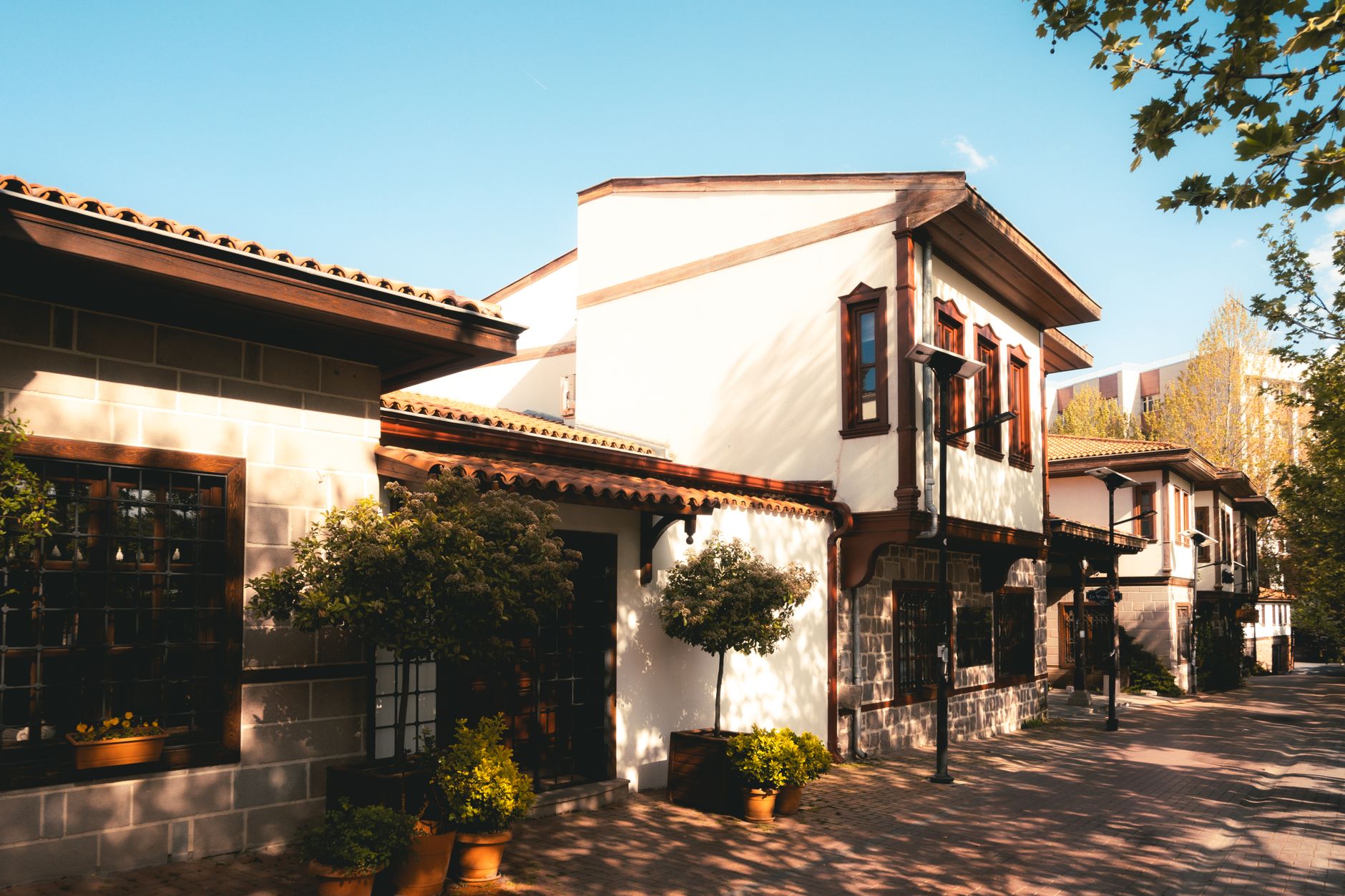
To truly comprehend what is it like living in South Pasadena, California, one must understand the community’s devotion to its historic aesthetic. Unlike neighboring areas that embraced rapid post-war modernization, South Pasadena fought fiercely to preserve its architectural heritage, famously spending decades blocking the extension of the 710 freeway to keep its historic neighborhoods intact. This battle forged a community identity centered on stewardship. Walking through the quiet streets reveals an immaculate living museum of early twentieth-century residential architecture, from classic American Craftsman homes and Queen Anne Victorians to Spanish Colonial Revival estates.
The local real estate market reflects this scarcity. Buyers in South Pasadena do not merely purchase square footage; they acquire pieces of California history. High property values and low inventory characterize the local market, attracting established professionals and creative executives who value architectural integrity over generic suburban design. The city’s strict historic preservation ordinances ensure that even as new residents move in, the physical character of the neighborhoods remains unchanged. This preservationist attitude extends beyond residential streets to the commercial districts, where corporate chains are rare and independent storefronts are protected by local sentiment and zoning laws alike.
The Pedestrian Rhythm of Mission Street and Transit
Daily life in South Pasadena centers around the highly walkable Mission Street corridor, where the pace of life slows significantly compared to the rest of Los Angeles County. Residents gather at independent coffee houses, browse curated selections at independent bookstores, and purchase organic produce at the weekly farmers market held near the historic Meridian Iron Works building. This pedestrian-friendly core provides a rare luxury in Southern California: a daily routine that does not require a car key for every minor errand.
Living in South Pasadena means trading the generic sprawl of Southern California for a neighborhood where merchants know your name and the local pharmacy still operates an old-fashioned soda fountain.
Despite this insular charm, the neighborhood remains remarkably connected to the broader metropolitan area. The Metro A Line cuts directly through the center of town, offering a clean, reliable transit link to Downtown Los Angeles, Pasadena, and the San Gabriel Valley. Professionals commuting to financial centers or creative hubs can board the light rail at the South Pasadena station and arrive at Union Station in under twenty minutes. This seamless integration of small-town isolation and metropolitan access is a key factor when evaluating what is it like living in South Pasadena, California.
The High-Stakes Appeal of an Award-Winning School System
The local public school system is perhaps the most powerful magnet drawing new residents to South Pasadena. The South Pasadena Unified School District consistently ranks among the top public school systems in the state, offering a level of academic rigor and extracurricular support that rivals elite private institutions. This educational excellence is not merely a bureaucratic achievement; it is the cornerstone of the town’s social fabric. Families move here specifically to secure placement in these institutions, which creates a highly motivated student body and a deeply involved network of parents.
The shared investment in the local schools fosters a profound sense of neighborhood cohesion. When looking at what is it like living in South Pasadena, California, the presence of these schools dictates the rhythm of the year, from highly attended high school football games to community-wide fundraisers and theater productions. The neighborhood is structured so that children can safely walk or bicycle to their respective campuses, a scene reminiscent of mid-century Americana. This academic standard also stabilizes property values, ensuring that the local real estate market remains incredibly resilient even during broader economic shifts.
Shaded Sanctuaries and the Green Canopy of the City of Trees
Officially designated as the City of Trees, South Pasadena boasts an urban forest of over twenty thousand city-maintained trees, creating a microclimate that is often cooler than the surrounding concrete valleys. This lush green canopy is anchored by a collection of pristine public parks, each serving as a communal backyard for the density of nearby residents. Garfield Park, with its stone paths, playground, and manicured rose garden, serves as the primary gathering space for young families and morning runners, while the secluded Eddie Park offers a quiet sanctuary for reading and reflection. Other green spaces, like Library Park and Orange Grove Park, provide pockets of nature where community events, outdoor concerts, and casual weekend picnics naturally occur.
Ultimately, what is it like living in South Pasadena, California is defined by a deliberate choice to live in a town that prioritizes human scale over corporate expansion. It is a place where preservation is not a passive hobby but an active, everyday discipline. While other Southern California suburbs have chosen to evolve outward and upward, South Pasadena has chosen to grow inward, deepening its roots and perfecting its existing footprint. To live here is to participate in a quiet, collective agreement that some things—like historic homes, local merchants, and shady neighborhood streets—are worth protecting at all costs.
Frequently Asked Questions
Is South Pasadena a safe place to live? Yes, South Pasadena is widely regarded as one of the safest communities in the Los Angeles metropolitan area. The city maintains its own dedicated police and fire departments, resulting in exceptionally fast response times and a low rate of crime compared to the county average.
How does South Pasadena differ from the larger city of Pasadena? While they share a border and a historic aesthetic, South Pasadena is an entirely independent city with its own municipal government, school district, and police force. South Pasadena is significantly smaller, quieter, and more residential, focusing heavily on small-town preservation, whereas Pasadena is a larger city with a busier downtown commercial district.
What is the commute like from South Pasadena to Downtown Los Angeles? Drivers can access Downtown Los Angeles via the historic Arroyo Seco Parkway in approximately fifteen to twenty minutes depending on traffic. Alternatively, the Metro A Line light rail offers a direct, traffic-free commute of less than twenty minutes from the South Pasadena station to Union Station.
Ecomstation.ai