Why Anaheim and Pasadena Lead Most Searched California Neighborhoods
Khushboo Siddhiwala
Nov 13, 2026 · 5 min read
Story
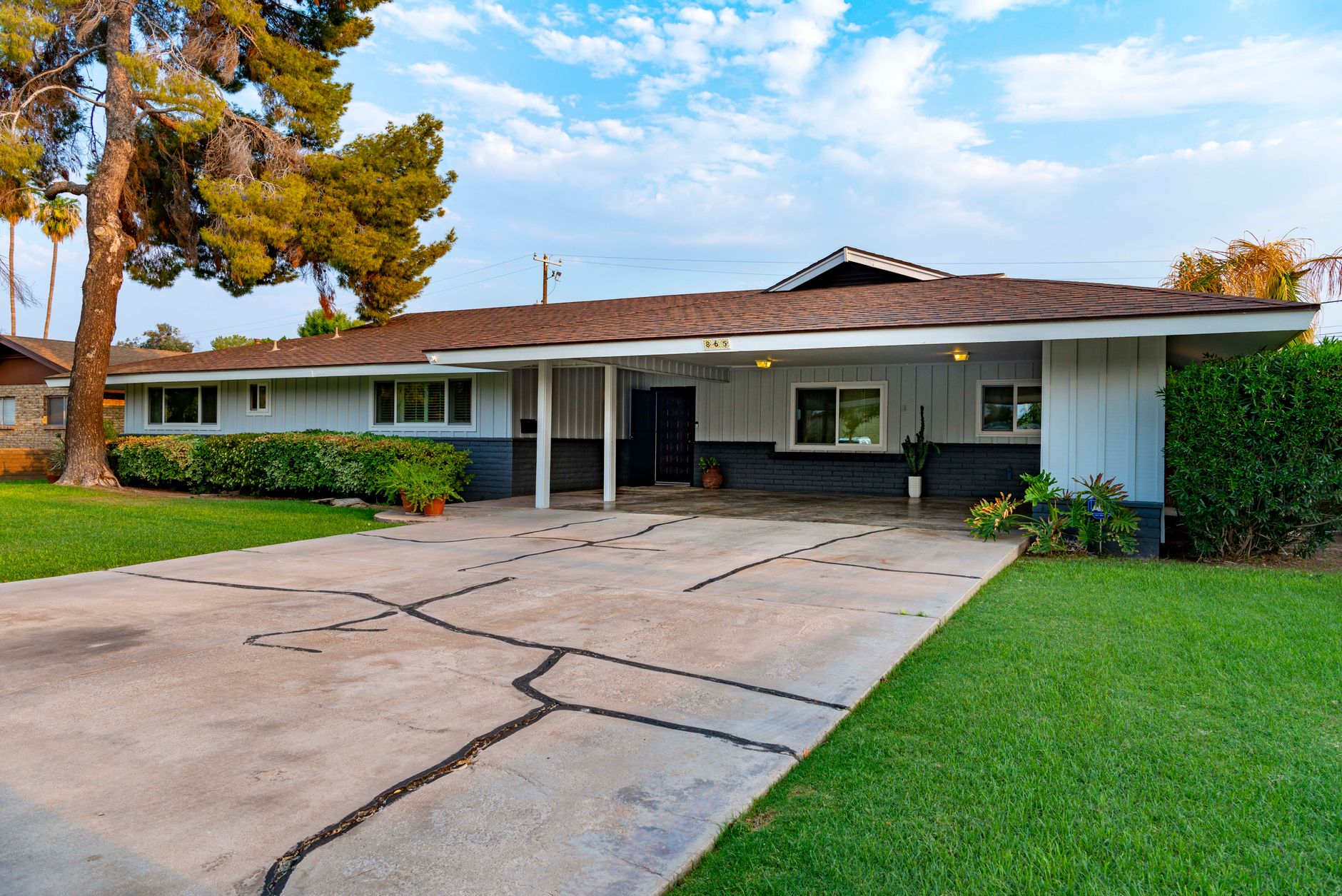
The $1,037,500 single-family listing on East Foothill Boulevard in Anaheim ZIP code 92869 spent less than four days on the market before receiving three competing cash-backed offers this week. It is not an isolated anomaly. Across Orange County, the San Gabriel Valley, and the broader Southland real estate ecosystem, search metrics reveal a dramatic pivot in buyer demand. The most searched California neighborhoods in late 2026 look surprisingly different from the hillside enclaves that dominated real estate search portals three years ago. In Pasadena, flatland coastal zones, and well-serviced suburban nodes, active home shoppers are moving with quiet urgency while hillside luxury properties face prolonged days on market.
The Wildfire Migration Shift to Flatland Suburbs
The recalibration of homebuyer preference is happening in real time across Southern California. Following recent destructive wildfire seasons that impacted elevated communities like Altadena and Pacific Palisades, real estate search traffic has systematically migrated toward flatter topography. Redfin search data and recent local MLS sales records confirm that buyers are stepping away from fire-vulnerable canyon roads in favor of stable, flat neighborhood grids. In Santa Monica and inland Orange County, flat-lot inventory is absorbing significantly faster than mountain-adjacent homes. As highlighted in recent reporting from the Pasadena Weekendr, the California housing market is showing solid signs of stability for buyers who are already established inside it, but the entry points have narrowed into hyper-specific, climate-resilient ZIP codes.
The state's macro inventory environment remains remarkably tight. California housing inventory recently recorded 106,426 total homes for sale statewide, marking a modest 0.68 percent decline year over year. Meanwhile, newly listed properties dropped by 3.8 percent, leaving the state with approximately four months of available housing supply. Because overall choices remain limited, prospective buyers are concentrating their search efforts into a tight subset of communities. When house hunters analyze property options today, they are filtering out severe fire hazard zones before even checking interior finishes or floor plans. This fundamental shift in buyer behavior has turned quiet, well-planned suburban neighborhoods into the most searched California neighborhoods on the West Coast.
Why Orange County Suburbs Are Beating Coastal Giants
Nowhere is this geographic realignment more visible than in eastern Orange County. Three specific Anaheim ZIP codes—92869 with a median listing price of $1,037,500, 92870 at $1,120,000, and the coastal-adjacent 92649 at $1,304,500—have rapidly climbed to the top of state search rankings. In previous real estate cycles, high-earning tech workers relocating from Silicon Valley or San Jose automatically gravitated toward coastal Westside Los Angeles or coastal San Diego. Today, financial calculations and micro-climate risk profiles strongly favor established suburban infrastructure in Orange County.
Buyers are no longer paying a premium for elevated views that double as evacuation hazards; structural safety and insurance access have taken total priority.
Knowledge workers equipped with advanced digital workflows—from daily AI research assistants to autonomous productivity stacks—no longer need to live near high-density employment corridors in Los Angeles or San Francisco. They are evaluating properties based on functional living space, local power grid resilience, and affordable homeowners insurance availability. With global tech venture funding reaching $6.9 billion in a single week this month and modern productivity tools streamlining distributed office work, the geographic tether to central business districts has permanently snapped. As a result, the most searched California neighborhoods are now defined by quiet streets, solid municipal services, and modern remote-work capabilities.
Data Signals and the 2027 Housing Forecast
The California Association of Realtors recently published its 2027 California Housing Market Forecast, anticipating that home value growth will continue concentrating in well-serviced, mid-density suburbs rather than speculative peripheral developments. While major urban tech centers like Oakland registered homebuyer demand index drops exceeding 20 percent earlier this year, suburban markets with excellent public schools and flat street grids are expanding their active buyer pools.
In Los Angeles, recent transactional data clearly illustrates this divided market. Mid-market single-family residences in South LA ZIP code 90043 and Eagle Rock ZIP code 90041 are selling quickly when priced accurately, whereas steep hillside parcels in Pacific Palisades routinely require multiple price revisions. Today's prospective buyers actively track these market movements through daily resources like Superpower Daily and the SPIDITS AI news digest, comparing real-time financing rates against localized inventory trends. Homebuyers in late 2026 are armed with better analytical data than ever before, enabling them to execute purchase decisions with high confidence when top-tier inventory hits the market.
The Real Estate Edge for Late 2026
What looks on the surface like a simple neighborhood trend is actually a deep realignment of how Californians evaluate property value. The historical price premium once commanded by hillside vistas is giving way to a premium on safety, neighborhood walkability, and manageable carrying costs. From Sacramento down to San Diego, suburban enclaves with flat topography, predictable insurance underwriting, and easy access to regional thoroughfares are capturing the overwhelming majority of buyer attention.
For sellers and real estate professionals preparing for the 2027 market, the playbook requires immediate adjustment. Emphasizing micro-climate safety, upgraded electrical systems, dedicated home office space, and competitive insurance profiles matters far more than traditional cosmetic staging. The dramatic surge of search interest into ZIP codes like 92869 in Anaheim and flatland zones in Pasadena is not a short-term blip; it represents the new standard for California residential real estate.
Frequently Asked Questions
What are the most searched California neighborhoods right now?
Suburban flatland neighborhoods across Anaheim (specifically ZIP codes 92869, 92870, and 92649), Pasadena, Eagle Rock, and flat coastal segments of Santa Monica are currently capturing the highest search volume and fastest sales velocity in the state.
Why are home buyers shifting away from hillside neighborhoods like Altadena and Pacific Palisades?
Persistent wildfire threats and escalating home insurance premiums have led buyers to prioritize lower-risk flatland neighborhoods that offer established municipal infrastructure, reliable power grids, and straightforward evacuation routes.
How are AI technology and remote work influencing home search decisions in California?
With advanced AI tools enabling seamless remote work across tech and corporate sectors, home buyers are freed from commuting constraints. They are prioritizing larger lot sizes, dedicated home workspaces, and neighborhood stability over proximity to urban business hubs in San Francisco or downtown Los Angeles.
Ecomstation.ai