Why California Home Buyers Are Flooding Into Sacramento This Fall
Khushboo Siddhiwala
Oct 4, 2026 · 6 min read
Story
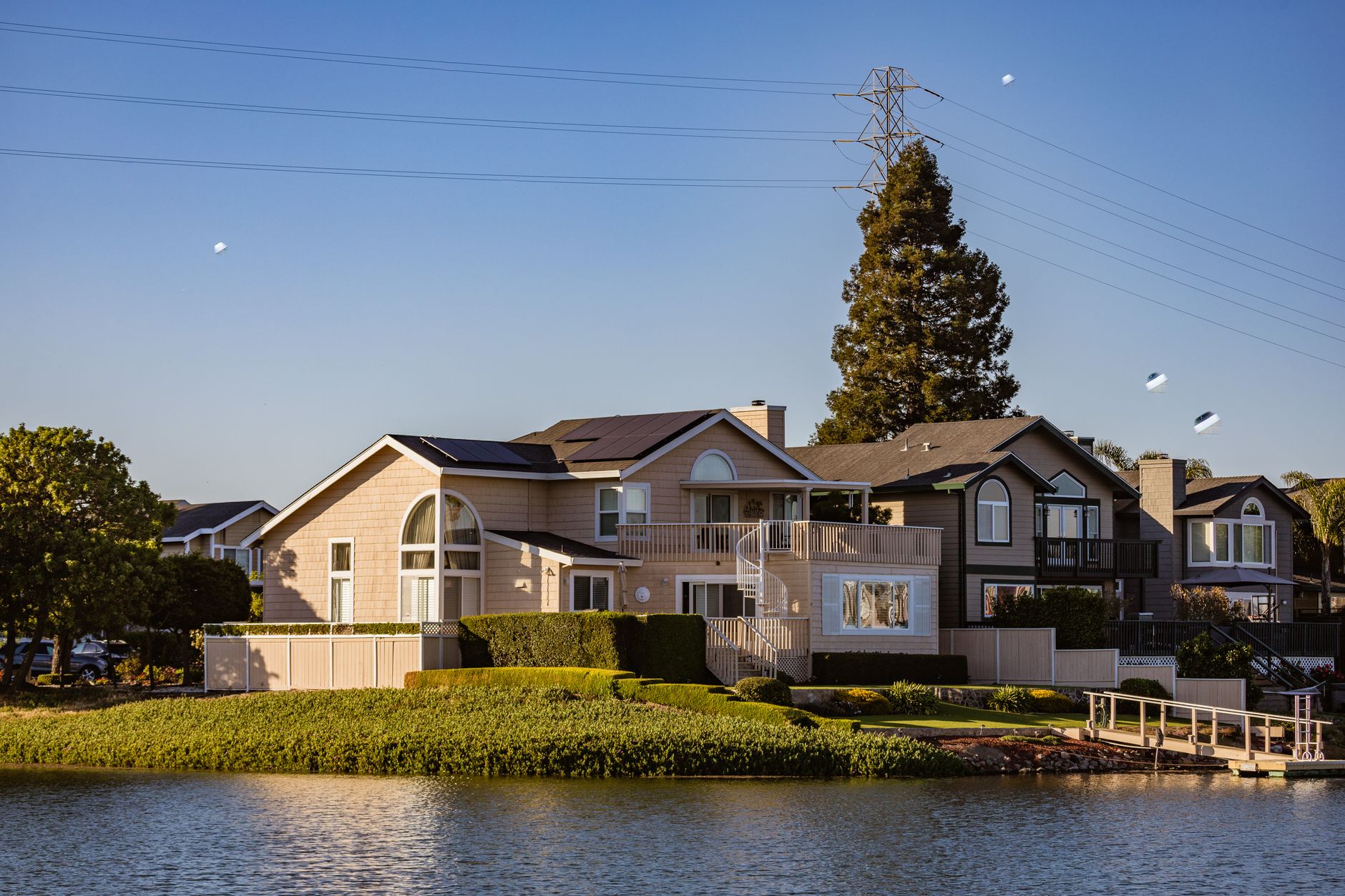
The mid-century modern home at 1401 41st Street in Sacramento recently listed for $1,250,000, attracting frantic bids before the first weekend open house even concluded. This isn't an isolated bidding war; it is the ground reality of a massive geographic reshuffling. While coastal markets experience a delicate recalibration, a new wave of California home buyers is migrating inland, seeking refuge from both escalating insurance premiums and astronomical coastal valuations. This structural shift is turning mid-tier valley metros into high-stakes battlegrounds for premium real estate.
The Great Inland Infiltration
The numbers tell a story of an explicit realignment. Recent migration data from the second quarter of 2026 reveals that Sacramento welcomed a net inflow of 5,200 home searchers, securing its spot as the fifth most popular destination in the nation and the absolute frontrunner in the Golden State. This inward march is directly impacting local inventory. While statewide home prices dipped a microscopic 0.015 percent to an average of $746,890 in August 2026, the specific neighborhoods of East Sacramento and Land Park are seeing premium properties sell at a significant markup. The classic narrative of coastal dominance is breaking down as buyers prioritize stability, space, and realistic insurance policies.
This migration is not just about cheaper dirt. It represents a deeper psychological transition among California home buyers who are weary of the annual anxiety that accompanies fire season in the wildland-urban interface. In southern regions, according to the September 2026 Economic & Housing Market Update from regional experts, communities like Westlake Village and Thousand Oaks are seeing a distinct bifurcated demand. Buyers are increasingly passing on properties tucked deep into brush-heavy canyons, opting instead for suburban master-planned layouts. This trend mirrors the broader Northern California shift, where the flat, tree-lined streets of Sacramento provide a sense of environmental security that the burning hillsides of the past decade simply cannot offer.
The Fire Line Flight and Flat Land Premium
The physical environment is rewriting the underwriting rules of West Coast real estate. In the wake of the devastating 2025 wildfires that swept through Altadena and the hills above Malibu, the premium for elevated views has collapsed. Instead, wealthy families are executing what analysts call the Great Housing Reset of 2026. They are trading their sweeping canyon vistas for the safety of flat coastal strips in Santa Monica, or migrating entirely to the flatlands of Sacramento where the threat of catastrophic chaparral fires is non-existent.
This risk-averse behavior is being supercharged by new technology. Savvy California home buyers are no longer relying solely on standard disclosures. They are employing advanced risk-modeling platforms, such as the spatial intelligence applications highlighted on Launch AI Jam this past month, to run instant, localized climate simulations before submitting non-contingent offers. When an app can simulate forty years of wind and flame patterns on a specific parcel in under three seconds, the romantic allure of a hillside retreat quickly loses its luster.
This technological vetting is causing a stark divergence in home values. In the fire-prone hills of Southern California, properties are sitting on the market for months, requiring steep price cuts to attract interest. Meanwhile, the flat, established residential zones of Sacramento are experiencing a compressed marketing cycle. Buyers who once insisted on living within ten miles of the ocean are now happily trading proximity for peace of mind, bringing their high-earning remote salaries and deep pockets to the Central Valley.
Capital Flight and the Wealth Realignment
The influx of capital into the Central Valley is not a trickle; it is a torrent of equity gained from years of coastal appreciation by motivated California home buyers. The typical profile of these incoming families consists of mid-career professionals who have negotiated permanent hybrid work arrangements. When these buyers sell a modest three-bedroom townhome in San Jose or Oakland for $1.5 million, they arrive in Sacramento with an overwhelming competitive advantage. They can easily outbid local buyers on premium properties, paying cash or taking minimal mortgages despite the prevailing interest rate environment.
This migration pattern is completely reversing the historical dynamics of the region. Historically, Sacramento was viewed as a quiet government town, an affordable safety valve for those priced out of the San Francisco Bay Area. Today, it is a primary destination of choice. The arrival of tech-adjacent wealth is driving a sophisticated transformation of the local culinary, cultural, and retail landscapes.
The era of buying a hillside home for the view alone is officially over, replaced by a calculated preference for flat, insurable ground.
This capital relocation is also triggering a profound inventory squeeze. With fewer homeowners willing to trade their low-interest mortgages for current market rates, the supply of luxury homes in Sacramento remains critically low. Consequently, when a well-priced home in a desirable ZIP code hits the market, it initiates a high-speed bidding war that pushes the final sales price far above the initial asking figure.
The New Geography of California Luxury
What we are witnessing is not the decline of the Golden State, but rather the birth of a more decentralized, climate-conscious economy. While some sensationalist headlines warn that the market is about to implode, the micro-level data paints a far more nuanced picture. Elite neighborhoods are simply shifting inward. For instance, the demand for flat, expansive estates in secure enclaves of Westlake Village remains robust because these properties do not carry the same immediate wildfire risks as their hillside counterparts.
Similarly, in Northern California, the most desirable streets of Sacramento are establishing a new baseline for luxury. High-end custom homes in the 95816 ZIP code are routinely commanding prices that would have seemed impossible a mere five years ago. This is because California home buyers have fundamentally adjusted their risk equations. They are no longer willing to pay a premium to live on the edge of a scenic precipice if it means their insurance policy could be canceled at any moment.
Ultimately, this geographic realignment is leveling the playing field between the coast and the interior. As wealthy buyers continue to relocate, they bring their expectations, their spending power, and their demands for high-tier services. This ensures that the capital of the state is no longer just a political hub, but an economic powerhouse in its own right. The smart money is already positioned on flat ground, leaving the precarious hillsides behind.
Frequently Asked Questions
Why are California home buyers relocating to Sacramento instead of coastal metros?
Many California home buyers are moving to Sacramento because of its combination of relatively affordable luxury inventory, lack of extreme wildfire risks compared to southern canyons, and strong community infrastructure. Additionally, the region is highly attractive to remote and hybrid workers from the Bay Area who want to keep their capital working efficiently while securing a larger footprint on flat, insurable land.
What is the current average home price across California?
As of August 2026, the statewide average home price in California stands at $746,890, representing a minor year-over-year decrease of 0.015 percent. However, this average masks significant local variations. While some fire-vulnerable hillside regions are experiencing price corrections, flat coastal areas and high-demand inland neighborhoods in Sacramento continue to see steady price appreciation due to tight inventory.
How are insurance costs affecting property values in California?
Skyrocketing home insurance premiums and outright policy cancellations are actively depressing home values in the wildland-urban interface. Properties in hilly, brush-heavy zones are seeing longer days on market and deep price cuts. Conversely, homes situated in flat, low-risk urban grids are commanding a premium because they are much easier and cheaper to insure, driving a significant structural pivot in where buyers choose to invest.
Ecomstation.ai