Why Palo Alto and San Jose are Winning the Silicon Valley AI Funding War
Khushboo Siddhiwala
Sep 24, 2026 · 6 min read
Story
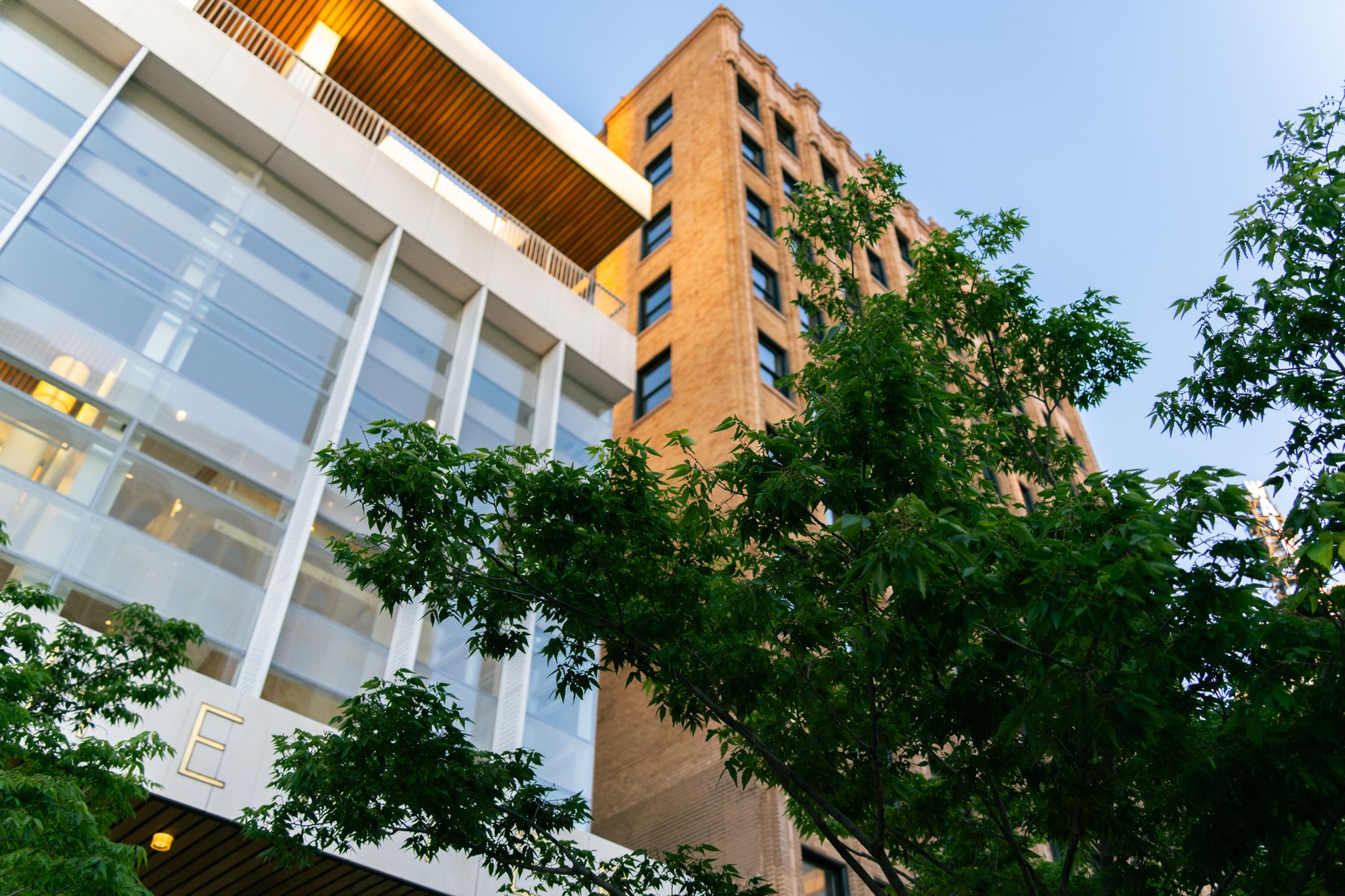
At 300 University Avenue in Palo Alto, the scent of fresh bluebottle espresso drifts past floor-to-ceiling glass windows where engineers are rewriting the rules of human-machine interaction. This single block, once the quiet epicenter of mobile app development, has transformed into a high-stakes arena for Silicon Valley AI funding. This week, the capital flowing into these tree-lined streets is no longer just chasing abstract software models; it is actively buying up physical dominance. Startups are securing hundreds of millions of dollars to merge generative algorithms with physical hardware, fundamentally reshaping both the local commercial real estate market and the global technology hierarchy.
The shift is starkest in San Jose, where Brett Adcock’s robotics-adjacent AI venture, Hark, is commanding massive attention. Hark, which builds context-aware systems combining generative software with specialized physical hardware, recently locked in a staggering seven hundred million dollars in total equity funding. Backed by corporate titans like Nvidia and Salesforce Ventures, the company is occupying vast footprints of suburban real estate that once sat vacant during the remote-work era. The sheer volume of capital flooding into San Jose and its neighboring suburbs is defying the wider national slowdown in venture deals. While critics warn of an unsustainable bubble, the money on the ground tells a very different story, one of physical expansion and relentless corporate ambition.
The Shift From Bits to Bricks in South Bay
For the last three years, San Francisco claimed undisputed custody of the generative intelligence boom. However, fresh data from real estate advisory firm Avison Young indicates a massive structural migration. Silicon Valley AI funding has begun outperforming San Francisco in critical Series A rounds, narrowing the seed-stage gap to just one hundred and nineteen million dollars. This represents the tightest margin seen since the middle of 2023. The geography of innovation is stretching southward, pulling talent along the Caltrain corridor down to Mountain View and Sunnyvale. This is not merely an intellectual migration; it is a physical takeover.
Startups that once required nothing more than a shared desk space are now leasing expansive research labs capable of housing robotics testing facilities and high-density server racks. The demand for industrial flex space in Santa Clara and San Jose has spiked, driving commercial rents upward and squeezing out traditional manufacturing tenants. Landlords who previously struggled to fill office suites are now retrofitting buildings with specialized cooling systems and upgraded electrical grids to accommodate the massive energy draw of local AI testing. The commercial real estate market is reacting in real-time to this influx of capital, turning dusty industrial parks into highly secured cradles of artificial cognition.
The Self-Improving Code of Deep Cogito and Axiom
While hardware-integrated artificial intelligence occupies the physical landscape of San Jose, pure software research is still fetching extraordinary premiums in the northern part of the peninsula. In San Francisco, Benchmark and TQ Ventures just backed Deep Cogito with a forty-three million dollar Series A round. Deep Cogito operates as a post-training research lab, specializing in reinforcement learning and self-improving models that systematically patch their own logical errors. A few miles away in the South of Market neighborhood, Axiom Math AI secured a massive Series A round exceeding one hundred million dollars to focus entirely on advanced educational technologies. These are not typical consumer-facing applications; they are deep infrastructural layers designed to operate without human intervention.
The business impact of these self-improving models is already sending shockwaves through the corporate offices of Palo Alto and Menlo Park. If software can train, test, and improve itself in a continuous feedback loop, the traditional lifecycle of software development collapses. Silicon Valley AI funding ensures that the talent wars will remain centered in the Bay Area, keeping residential home prices in neighborhoods like Palo Alto high even as other markets stabilize. The efficiency gains are driving valuations to heights that seem disconnected from current revenue, but investors are betting on the ultimate consolidation of intellectual labor.
Real Estate Meets Algorithmic Intelligence in Southern California
The momentum is not confined to the north. In Newport Beach, the convergence of Silicon Valley AI funding and local property markets has birthed a new class of specialized platforms. Diald AI, a startup focusing on commercial real estate analytics and automated property management, recently closed a significant seed round. In Southern California, where the housing market remains notoriously complex, tools like these are transitioning from novelties to administrative necessities. According to recent housing market updates from Orange County, home prices have remained stubbornly elevated while transaction volumes have slowed due to high interest rates. In this environment, real estate operators are turning to automated systems to squeeze margins from existing portfolios.
The digital revolution, which once promised to decentralize the workforce, has instead concentrated wealth and power into a handful of highly specific California zip codes.
Diald AI automates the tedious processes of tenant communication, maintenance dispatch, and predictive pricing models. By deploying these tools, property managers in Irvine and Anaheim can oversee thousands of units with a fraction of the traditional overhead. The business impact of this transition is profound. Property portfolios that once required multi-layered management teams are now run by single operators using centralized dashboards. This structural shift is altering how real estate investment trusts evaluate administrative costs, making automated management capabilities a core metric in property valuation. What began as a tool to automate maintenance tickets is rapidly becoming the standard operational backbone for institutional landlords across Southern California.
The Physical Footprint of High-Value Series A Rounds
As September 2026 draws to a close, the frenzy surrounding Silicon Valley AI funding shows no signs of cooling. The true story of this boom is written in the physical deeds of the buildings housing these companies. While pundits debate the ethical implications of autonomous systems, the founders of Hark and Deep Cogito are signing long-term leases in San Jose and San Francisco, anchoring their empires in physical concrete. This massive capitalization is altering local economies far beyond the technology sector.
High-paying AI roles are keeping luxury home prices resilient in Silicon Valley suburbs, even as broader economic indicators suggest a cooling trend across the rest of the country. The relationship between venture capital and physical space has come full circle. To understand where the next breakthrough will occur, one must simply watch where the heavy electrical machinery is being delivered.
Frequently Asked Questions
How is Silicon Valley AI funding affecting local commercial real estate? The influx of capital into hardware-centric AI companies has driven up demand for specialized industrial flex spaces and research labs in cities like San Jose and Santa Clara. These properties require upgraded electrical grids and advanced cooling infrastructure, command premium rental rates, and are reversing office vacancy trends.
Which notable startups secured major funding rounds in California this week? Key funding events include Hark securing a portion of its seven hundred million dollar total equity backing in San Jose, Deep Cogito raising forty-three million dollars in San Francisco, and Axiom Math AI closing a Series A round of over one hundred million dollars. In Southern California, property management platform Diald AI also secured fresh seed capital.
How are real estate operators using new AI tools to handle market challenges? With high interest rates squeezing margins in regions like Orange County, operators are deploying analytics platforms like Diald AI to automate tenant communications, predict maintenance needs, and manage pricing. This automation allows institutional landlords to reduce overhead costs significantly and maintain profitability in a high-cost environment.
Ecomstation.ai