Why Riverside 92555 Leads California Housing Market Trends
Khushboo Siddhiwala
Aug 21, 2026 · 6 min read
Story
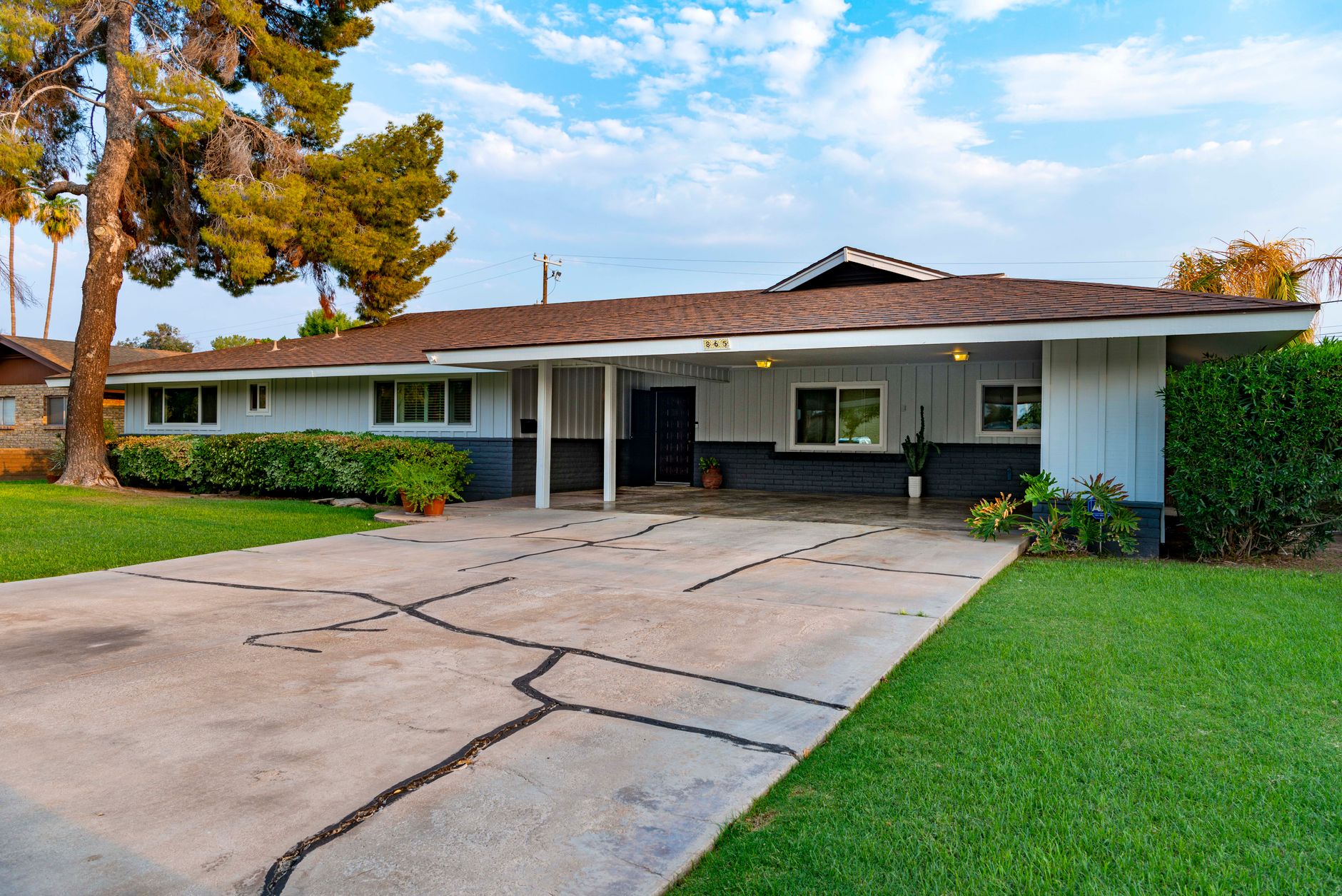
A single-family home in the 92555 ZIP code of Riverside traded yesterday for exactly $578,205, marking a quiet shift in where search traffic is actually landing this August. While coastal neighborhoods grab the flashy headlines, the real action is happening inland where middle-market buyers are making rapid, calculated moves. This transaction highlights how California housing market trends are shifting away from the over-leveraged tech hubs toward regions offering a blend of relative affordability and functional space. Buyers are no longer waiting for interest rates to slide back to historic lows; instead, they are actively hunting in specific pockets where the entry point sits comfortably below the state average of $800,000.
The heat maps do not lie. Search volumes for Riverside ZIP codes like 92555 and 92507 have surged over thirty percent compared to last summer. What we are seeing is not a random fluke, but a structural reassessment of value. Buyers who previously insisted on living within fifteen minutes of the beach are realizing that a modern four-bedroom home with a yard in the Inland Empire makes far more sense for their remote-hybrid work schedules. This transition is reshaping regional dynamics and turning once-sleepy suburban corridors into highly competitive battlegrounds where homes sell in fewer than twenty days. This divergence defines our current reality, where the state is split into hyper-localized micro-markets that defy broad generalizations. While places like Menlo Park host packed cultural events this weekend, their markets operate on an entirely different plane.
The Migration Engine Fueling the Inland Empire
This massive migration is not just about local buyers shuffling from block to block. It is fueled by an influx of residents fleeing denser coastal cities. Recent outbound migration data shows thousands of families leaving San Francisco and Los Angeles every month, with many of them landing in Sacramento, which saw a net inflow of 4,400 people last quarter. But for those who want to remain in Southern California, Riverside is the undisputed destination of choice. The math is simple. When a buyer can sell a cramped two-bedroom condo in Santa Monica and purchase a spacious suburban estate in Riverside for under $600,000, the decision becomes a foregone conclusion.
This shift is heavily influencing California housing market trends by stabilizing the middle tier of the market. While the ultra-luxury segment experiences a noticeable cool-down, the suburban middle class is propping up transaction volumes. Local real estate professionals are adapting to this fast-paced environment by upgrading their operational toolkits. Many are turning to automated calendar and task managers like Reclaim (https://reclaim.ai) to manage the sheer volume of property showings and client consultations. This AI-driven coordination allows agents to handle double the client load without sacrificing service quality, a necessary evolution when dealing with buyers who expect instant responses in a highly competitive landscape.
How the K-Shaped Recovery Divides Southern California
According to the latest K-Shaped Housing Market Hits SoCal -- August 2026 Update, we are witnessing a profound economic divide in real estate performance. The upper arm of the K consists of affluent buyers who are relatively immune to elevated borrowing costs, purchasing premium properties in cash. The lower arm represents the bulk of the market, where buyers must stretch their budgets to the absolute limit. In Riverside, this phenomenon manifests as a highly compressed market where properties priced under $600,000 experience intense bidding wars, while properties priced above $1.2 million linger on the market for months.
This economic bifurcation is rewriting the rules of engagement for developers and investors alike. Building high-end luxury estates in areas with limited local wage growth is proving to be a risky gamble. Instead, the smart money is flowing into high-density suburban developments and single-family rental portfolios in Riverside and surrounding municipalities. These projects address the critical supply shortage that continues to prop up prices despite broader economic headwinds. These California housing market trends demonstrate that demand is not disappearing; it is simply migrating to where the value is. While coastal regions struggle with regulatory hurdles and high construction costs, the Inland Empire offers a more permissive building environment. This allows developers to bring inventory to market faster, though still not at a pace that fully satisfies the ravenous consumer appetite.
Silicon Valley Speed Meets Inland Empire Pricing
The influx of tech-adjacent buyers is introducing a new level of expectation to the local real estate process. Buyers who are accustomed to seamless digital transactions in Silicon Valley are demanding the same level of sophistication when buying a home in Riverside. They expect high-definition virtual tours, instant digital disclosures, and algorithmic pricing models that can predict future appreciation with reasonable accuracy.
This has forced traditional inland agencies to modernize their operations overnight. Agencies that fail to adopt modern digital transaction management systems are quickly finding themselves sidelined by tech-forward brokerages that can close a deal in ten days. This cultural integration is also reflecting in the design and amenities of the homes being sold. Home offices are no longer treated as a nice-to-have bonus room; they are a non-negotiable requirement for buyers who split their week between a physical office in Los Angeles and a remote desk in Riverside. Upgraded networking infrastructure, smart home automation, and energy-efficient solar installations are now standard features that can make or break a sale in this competitive environment.
The real story of our current market isn't the stagnation of the coast, but the aggressive land grab happening in the inland valleys.
The Changing Landscape of Suburban California
This structural shift is permanently altering the socioeconomic landscape of Southern California. As affluent buyers move inland, they bring their purchasing power with them, driving the expansion of upscale retail, dining, and cultural amenities in cities like Riverside. What was once considered a commuter hub is rapidly transforming into a self-sustaining economic engine with its own unique identity and cultural footprint.
For prospective buyers, the window of opportunity to capitalize on these shifting dynamics is closing. As prices in inland ZIP codes continue to climb, the affordability gap between coastal and inland markets will naturally compress. Analyzing the broader California housing market trends reveals a clear pattern: those who hesitate to buy in emerging markets eventually find themselves priced out of those regions as well. The smart move is to identify these high-growth pockets early and act decisively before the broader public catches on. The narrative of a declining state housing market is fundamentally flawed. It ignores the vibrant, localized activity occurring in counties that are absorbing the state's internal migration. By focusing on specific ZIP codes and understanding the underlying demographic shifts, savvy buyers and investors can find incredible opportunities in a market that remains one of the most dynamic in the world.
Frequently Asked Questions
What is driving the sudden popularity of Riverside ZIP codes like 92555? The sudden popularity is driven by a combination of relative affordability, spacious housing inventory, and a shift toward hybrid work models. Buyers from expensive coastal cities are realizing they can purchase larger, more modern homes in Riverside for a fraction of the cost of a condo in Los Angeles or Orange County.
How are California housing market trends impacting home prices in the Inland Empire? These trends are driving a steady increase in home prices across the Inland Empire, particularly in well-located suburban pockets. While coastal luxury markets are experiencing a slowdown, the middle-market tier in inland regions remains highly competitive with consistent buyer demand and low inventory.
Are buyers still facing multiple-offer scenarios in this market? Yes, multiple-offer scenarios remain common for well-priced, move-in-ready single-family homes in desirable inland neighborhoods. Buyers must be prepared to act quickly, come with strong pre-approvals, and work with experienced agents who can position their offers competitively.
Ecomstation.ai