Why Riverside Defies The 2026 California Housing Market Trend
Khushboo Siddhiwala
Jul 27, 2026 · 6 min read
Story
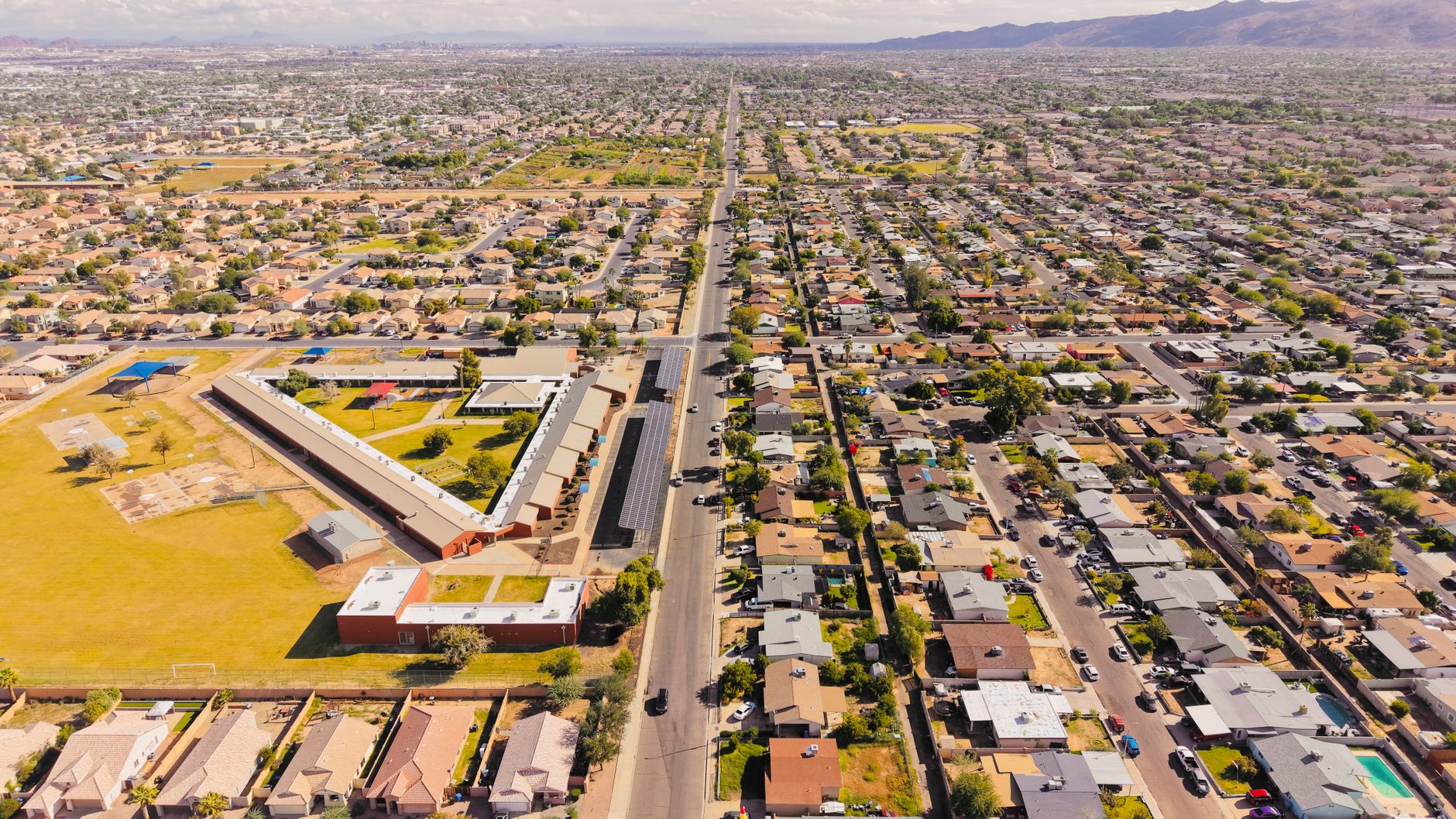
A median home price of $565,000 in the 92399 ZIP code of Riverside is doing something nobody predicted for this July morning. While national headlines scream that West Coast real estate is frozen, active buyer searches in this particular corner of the Inland Empire have surged by double digits over the last forty-eight hours. This abrupt pivot reveals a fascinating California housing market trend that traditional brokerages completely missed. Buyers are not sitting on their hands waiting for interest rates to drop to zero. Instead, they are aggressively moving their capital away from high-risk coastal zones and into inland pockets that offer relative safety and pricing sanity. The state is not experiencing a uniform cooling; it is experiencing a profound geographic reorganization that is redefining suburban valuation.
If you look at the commuter trains heading into the urban cores, the conversation has shifted. It is no longer about finding the trendiest block in the city center. It is about locating areas where the infrastructure can withstand the next decade of environmental and economic shifts. The modern buyer is highly analytical, armed with instant data, and entirely willing to compromise on commute times if it means securing a stable asset. This mindset has created a split market where some of the historically hottest neighborhoods are languishing, while quiet, previously overlooked suburbs are experiencing an unprecedented influx of competitive offers. We are witnessing the beginning of a great sorting, where utility and risk mitigation triumph over sheer prestige.
The Great Inland Migration of the Inland Empire
To understand this movement, we have to look closely at the ZIP codes seeing the highest transaction velocities. In Riverside, the neighborhood of Moreno Valley under ZIP code 92555 has seen its median home price stabilize at $578,205, while nearby 92507 is commanding $625,000 with a striking thirty-one percent increase in year-over-year search intent. This local activity runs directly counter to the narrative that California is the coldest market in the country right now. While the overall California Association of Realtors 2026 housing market forecast anticipated moderate single-digit gains statewide, these specific sub-markets are behaving like they are in the middle of a historic boom. The typical Los Angeles buyer, priced out of a basic three-bedroom starter home, is looking sixty miles east and realizing their dollar still carries genuine purchasing power here.
This is not just a temporary spike in interest. It is a fundamental shift in how middle-class families calculate wealth preservation. When you can buy a modern home with a yard in Moreno Valley for under six hundred thousand dollars, the premium of the coastal strip begins to lose its luster. Smart agents are abandoning broad geographic regions to focus entirely on these hyper-targeted micro-climates of demand. Analyzing this unexpected California housing market trend reveals that affordability is no longer just a buzzword; it is the ultimate driver of market velocity. Families are looking at their monthly budgets and choosing a lower mortgage over a prestigious address, a choice that is keeping the inland markets incredibly active while coastal luxury segments cool.
Escaping the Fire Lines for Flat Ground
There is another, more urgent driver behind this search migration that is rarely discussed in polite boardroom meetings. Buyers are fleeing the fire zones. The devastating wildfires of recent years have transformed the lush hills surrounding Malibu and the scenic ridges of Altadena from aspirational addresses into insurance nightmares. Families are actively refusing to rebuild or purchase in these highly vulnerable fire-risk zones. Instead, they are shifting their attention to flat, historically stable coastal neighborhoods or moving inland entirely. The search patterns show a distinct migration toward flatter coastal terrain where fire danger is significantly lower and property insurance is actually obtainable.
To track this frantic migration in real time, forward-thinking agents are not waiting for monthly reports. They are turning to advanced daily search systems highlighted on AIToolsRecap to instantly scan local MLS platforms and analyze buyer search patterns before they translate into closed deals. These systems allow professionals to overlay fire hazard maps with live transaction data, revealing exactly where displaced buyers are looking to land. It turns out that safety is the ultimate luxury in 2026, and the premium is rapidly shifting from hillside views to flat, low-risk geography. As this California housing market trend accelerates, expect places like Santa Monica to see sustained demand while fire-prone canyons experience a prolonged pricing winter. The risk premium has become too expensive to ignore, and buyers are voting with their feet.
Bay Area Friction and the Supply Squeeze
While Southern California deals with fire risks and inland surges, Northern California is playing by an entirely different set of rules. In San Francisco, the narrative of a cold market is quickly debunked when you look at inventory levels. High-demand neighborhoods across the Bay Area remain incredibly competitive simply because there is almost nothing for sale. Zillow's latest heat maps place several Northern California metros at the very top of their national demand index, driven by buyers who are locked into historically low mortgage rates and refuse to sell, while Southern coastal hubs like San Diego see similar gridlock.
This lack of inventory creates a pressure cooker environment where any reasonably priced listing receives immediate attention. Buyers who thought they could wait out the market are discovering that the best properties still command premium prices and multiple offers. Adapting to this fast-evolving California housing market trend requires a complete rejection of generalized real estate advice.
The true story of California real estate right now is not about a cooling market, but about a massive, high-stakes reshuffling of where we choose to feel safe.
This division between high-risk mountain properties and protected flatlands or affordable inland hubs is widening every day. For the savvy investor, the opportunity lies not in waiting for a market-wide crash that is not coming, but in tracking these localized micro-migrations before they become common knowledge. Cities like Sacramento are also benefiting from this Northern shift, drawing in remote workers who want to stay within driving distance of the Bay Area but refuse to pay San Francisco prices. The entire state is reorganizing its wealth, and those who recognize the patterns first stand to gain the most.
Frequently Asked Questions
Why is Riverside seeing such high search volume in 2026?
Riverside offers a rare combination of relative affordability and safety from coastal wildfire risks. With median prices in ZIP codes like 92399 and 92555 hovering under six hundred thousand dollars, buyers from high-cost coastal metros are relocating here to secure larger homes with lower overall risk profiles.
How are recent wildfires affecting Southern California home buyers?
Wildfires have made home insurance incredibly difficult and expensive to secure in hillside areas like Malibu and Altadena. As a result, buyers are shifting their focus to flat coastal neighborhoods or moving to inland suburbs where insurance policies are still accessible and affordable.
Is the Bay Area real estate market actually cooling down?
No, despite statewide statistics suggesting a colder market, the San Francisco Bay Area remains highly competitive due to a severe lack of housing inventory. Homeowners with low mortgage rates are refusing to sell, which keeps competition high for the few homes that do hit the market.
Ecomstation.ai