Why San Rafael Leases Predict the California Commercial Real Estate Shift
Khushboo Siddhiwala
Aug 6, 2026 · 7 min read
Story
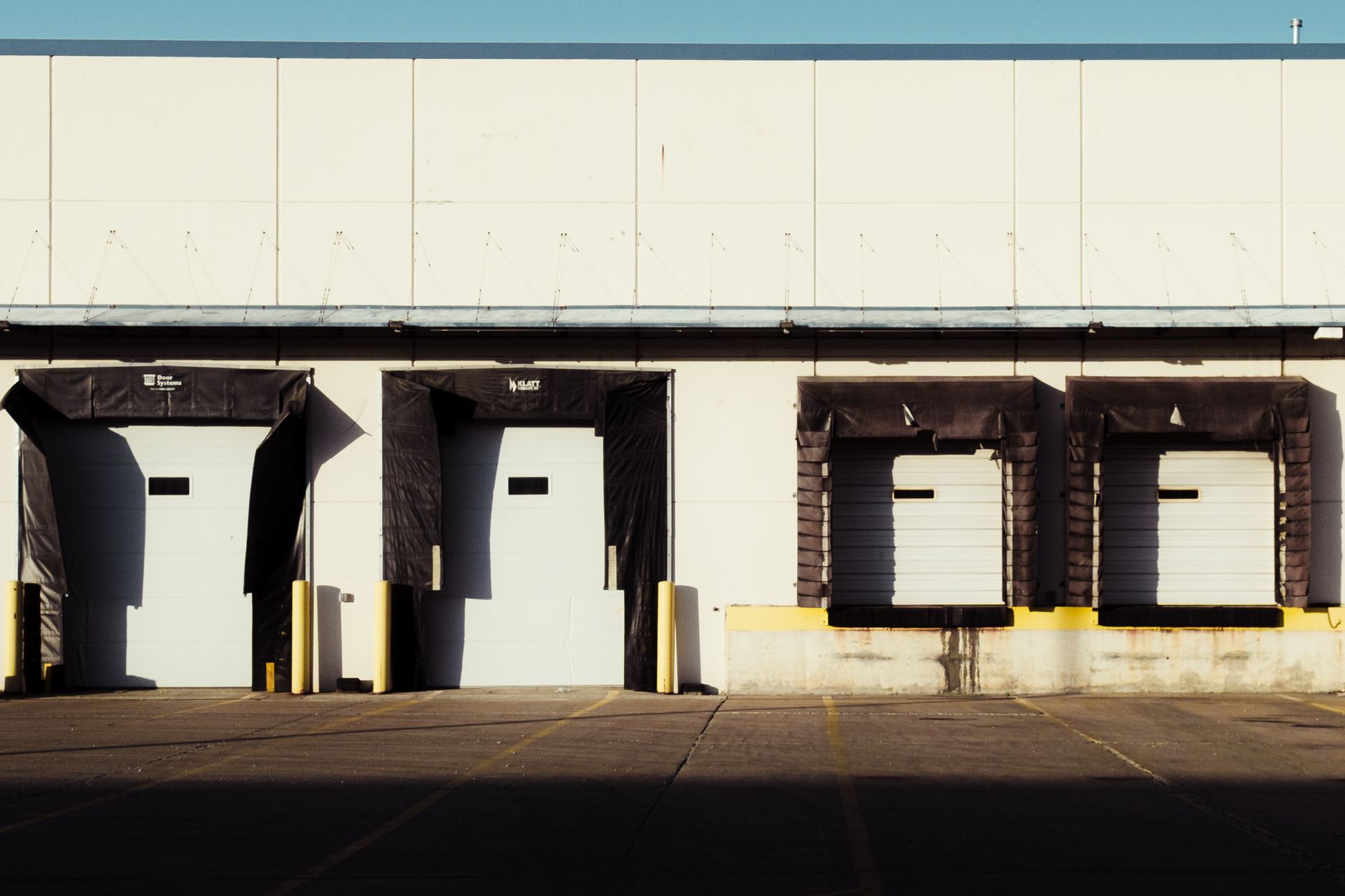
On the sun-drenched corner of C Street in San Rafael, a 4,918-square-foot retail and office space at 923 C Street recently hit the market for $1.83 per square foot on a modified gross lease. Right down the road at 125 Mitchell Boulevard, a warehouse space is renting for $1.60 per square foot. These are not just numbers on a commercial broker's ledger; they are leading indicators for anyone trying to analyze the California commercial real estate market, especially residential buyers who often miss the silent tectonic shifts happening right under their feet. While many buyers obsess over weekend open houses in Marin County, the smart money is tracking the retail and industrial yields in these exact corridors. When local commercial spaces lease quickly, residential values in the surrounding ZIP codes almost always follow within nine to twelve months.
This connection is particularly critical in August 2026, as mortgage rates hover around 6.52% after drifting up from their February low of 6.05%. The residential market is navigating what some reports describe as the coldest buyer environment in years, yet prices remain stubbornly high. The missing piece of the puzzle is the strength of the commercial sector. In San Jose, major business events and tech conferences this month are highlighting a robust local economy where corporate spending remains strong. This is further fueled by the relentless flow of capital into artificial intelligence. This week, San Francisco-based AI startups are closing substantial early-stage venture rounds, with investors backing new productivity suites like Heptabase and specialized developer platforms. This capital injection does not stay trapped in corporate bank accounts; it immediately flows into commercial leases and, subsequently, premium residential listings in neighboring Silicon Valley ZIP codes like 95112.
Why Industrial Micro-Hubs are Rewriting Suburban Equity
In Southern California, specifically across the sprawling industrial corridors of Los Angeles, the relationship between commercial absorption and residential pricing is stark. Real estate experts recently highlighted in the Los Angeles Times that the industrial and multifamily sectors are running neck-and-neck as the top-performing commercial asset classes this year. The intense demand for immediate logistics units is driving structural shifts that reshape surrounding suburbs. When a logistics hub leases up in places like Ontario or Fontana, it triggers an influx of employment that directly impacts local multifamily and single-family rental rates. Private investors who track California commercial real estate trends know that industrial gross leases are the ultimate early warning system for residential rental growth.
For a buyer looking at a duplex in the East Bay or an investment property in Riverside, watching the industrial lease rates is far more valuable than tracking standard inventory metrics. In areas where warehouse space commands more than $1.50 per square foot, residential vacancy rates typically drop below 4% within two quarters. This is because the modern supply chain requires local workers who want to live near these employment hubs. If you are waiting for residential home prices to drop in these submarkets, you are betting against a wall of commercial capital. The industrial growth acts as a solid floor for home values, preventing the steep price corrections that many prospective homebuyers have been expecting.
The Office-to-Residential Reality Check in Silicon Valley
To truly understand the macro environment, we have to look at the sheer scale of the professional network managing these assets. As of 2026, data from Biscred reveals that there are 78,050 commercial real estate companies operating in California, with over 50,050 of those firms headquartered right here in the Golden State. This network of more than 675,000 industry professionals is currently navigating a highly fragmented market. While the headlines scream about office vacancy rates reaching 30% in downtown San Francisco, a closer look at the neighborhood level reveals a different story. In specific pockets of the Silicon Valley region, commercial spaces are being repurposed or occupied by nimble tech companies that are driving localized residential demand.
The health of California commercial real estate operates as a leading indicator of local tax bases and school funding, which are the primary drivers of residential desirability. When a commercial corridor struggles, the local municipality feels the squeeze, eventually impacting public services and neighborhood maintenance. Conversely, when boutique offices in neighborhoods like Pasadena or Sunnyvale see consistent leasing activity at premium rates, it signals that local businesses are thriving. These businesses employ the families who buy the surrounding single-family homes. Residential buyers who ignore this connection often end up purchasing property in areas where the commercial tax base is eroding, leading to stagnant long-term appreciation.
Tracking the Wealth Migration from Downtowns to Suburbs
The real opportunity in today's market lies in tracking where retail leases are signing. For example, the $1.83 per square foot retail lease in San Rafael indicates strong localized consumer confidence. If a retail business can afford to pay that rate on a modified gross lease, it means the local household incomes are high enough to support their business model. This relationship is visible in San Diego as well, where retail vacancy remains incredibly low at 3.8% in coastal pockets. This commercial stability is the primary reason why San Diego home prices have defied broader cooling trends, posting solid gains even with elevated mortgage rates. In Pasadena, commercial retail leases are maintaining steady momentum, with spots along Colorado Boulevard commanding upwards of $4.50 per square foot. This robust commercial performance directly supports local residential home values in ZIP code 91101, where single-family homes continue to sell with minimal concessions.
The residential buyer looks at the inventory backlog, but the institutional player looks at the commercial absorption rate to see where the wealth is actually moving.
By the time a neighborhood shows up on a standard residential search portal as a hot market, the commercial players have already completed their five-year lease-up cycles. If you want to find the next high-appreciation market, look for neighborhoods where commercial retail and industrial spaces are leasing within thirty days. This indicates that local business owners are betting their own capital on the neighborhood's economic vitality. Understanding this broader California commercial real estate ecosystem allows you to make residential moves based on hard economic data rather than emotional open house vibes.
Instead of waiting for macroeconomic conditions or interest rates to return to historical lows, the most profitable strategy is to align your residential purchases with thriving commercial corridors. The commercial lease is the ultimate truth-teller in real estate. It reveals where businesses are hiring, where consumers are spending, and where long-term equity is actually being built.
Frequently Asked Questions
Q: How do commercial lease rates impact local residential home values? A: Commercial lease rates are direct indicators of localized economic health. When commercial tenants pay premium rates, such as the $1.83 per square foot retail leases in San Rafael, it demonstrates that local businesses are confident in neighborhood household spending power. High commercial occupancy ensures a strong municipal tax base, which funds local schools and public infrastructure, directly driving up residential home values over the subsequent twelve months.
Q: Why are industrial and multifamily sectors performing so closely in Southern California? A: As highlighted by industry analysts in Los Angeles, the rapid expansion of logistics and e-commerce has made industrial space scarce, driving industrial gross leases to record highs. This industrial growth brings a permanent workforce to these corridors, creating immediate demand for local housing. Because supply is limited, multifamily rental rates and residential home values in surrounding suburbs rise in tandem with industrial demand.
Q: Should residential buyers wait for mortgage rates to drop before purchasing? A: Waiting for mortgage rates to drop below the current 6.52% average often backfires. When rates decline, pent-up residential demand typically floods the market, driving home prices higher and triggering bidding wars. A more strategic approach is to identify residential properties located near thriving commercial corridors where lease rates are rising, as these areas tend to build equity faster regardless of interest rate fluctuations.
Ecomstation.ai